
Chun Mei Fen Dang is a restaurant in Xishuangbanna, China, completed in March 2025 by Funs Creative Design Consultant. Set within the atmosphere of a night market, the project responds to the region’s tropical climate through timber, operable louvers, open thresholds and a dining experience shaped by light, air, humidity and food.
Rather than relying on overt tropical motifs, the design allows the climate itself to become part of the interior. Here, the boundary between inside and outside is softened, making the restaurant feel closer to a courtyard than a conventional enclosed dining room. We spoke with Robin Luo, Founder and Design Director of Funs Creative Design Consultant, about designing with light, humidity, food and the everyday pace of tropical life.
Tell us about the site context.
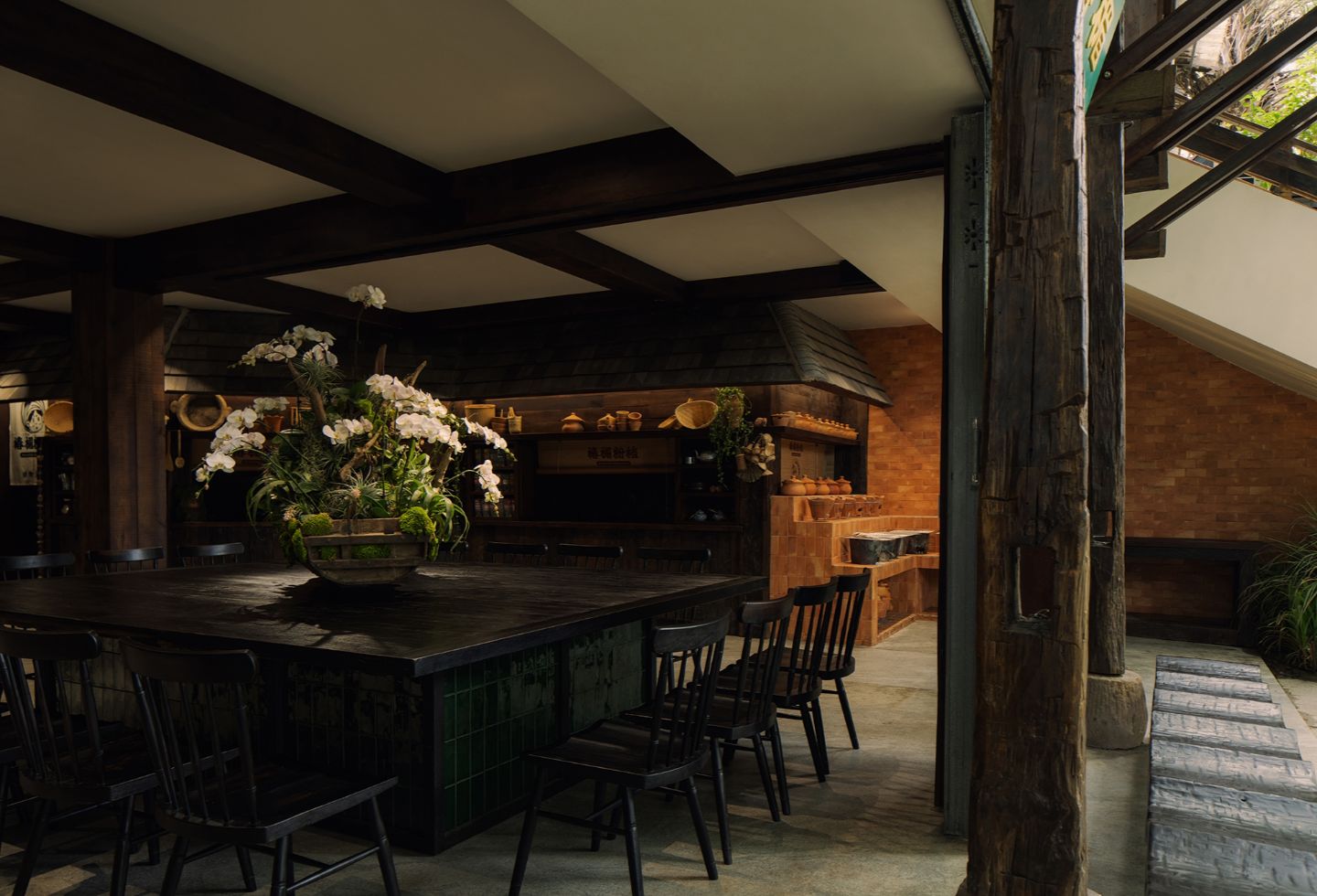
The sounds of the night market grow light and swift in the air of Xishuangbanna. As one steps across the wooden threshold of Chun Mei Fen Dang, the density of space shifts: the noise does not vanish but is filtered as if through leaves, leaving only a faint, lingering presence.
The tropical climate shapes the slow, unhurried rhythm of local life, where time is naturally stretched through meals and lingering. Instead of crafting dramatic spatial effects, the design returns dining to a state close to everyday life, making this place more like a courtyard continuously filled with food and human warmth.
How does the design respond to light, wind and humidity?
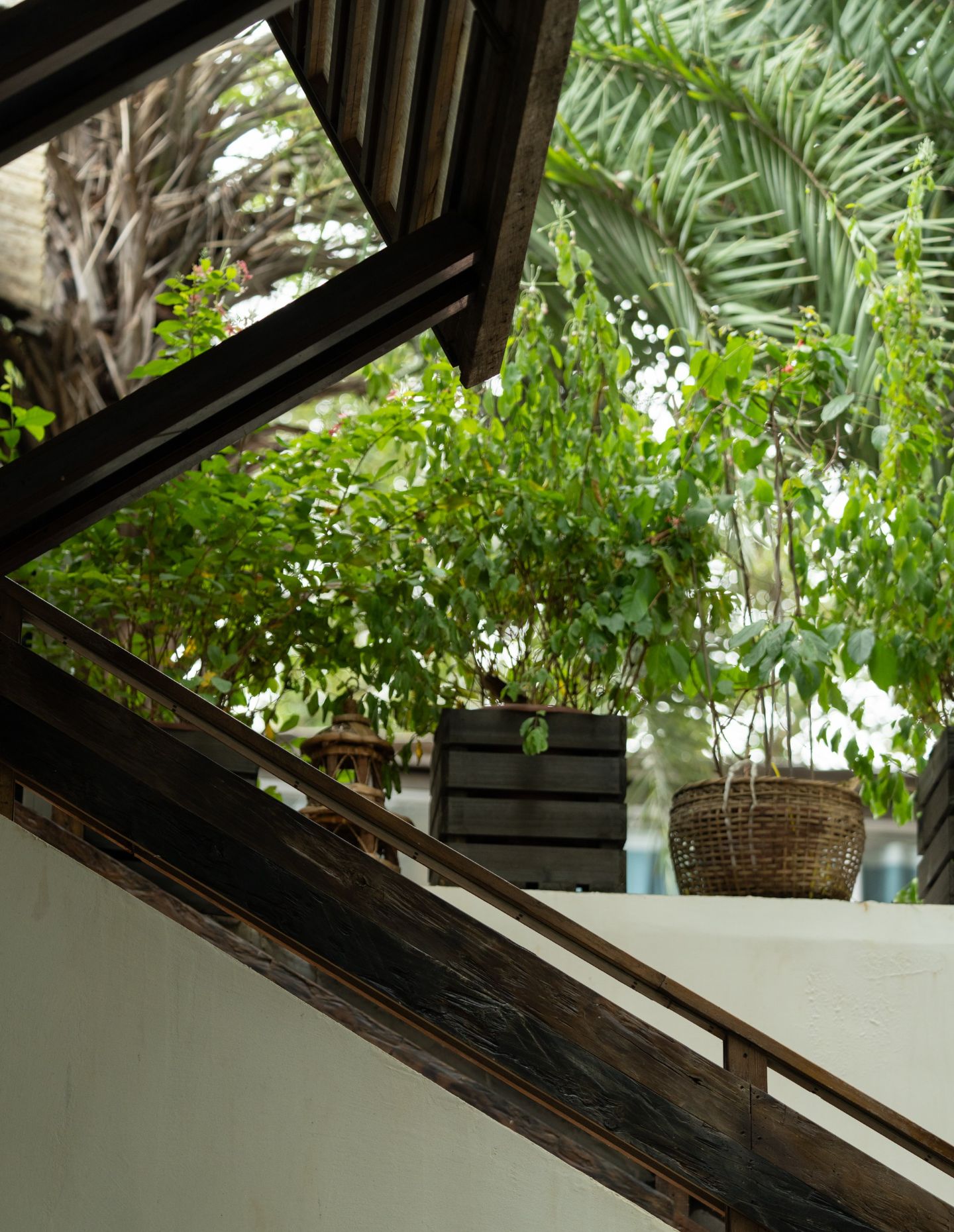
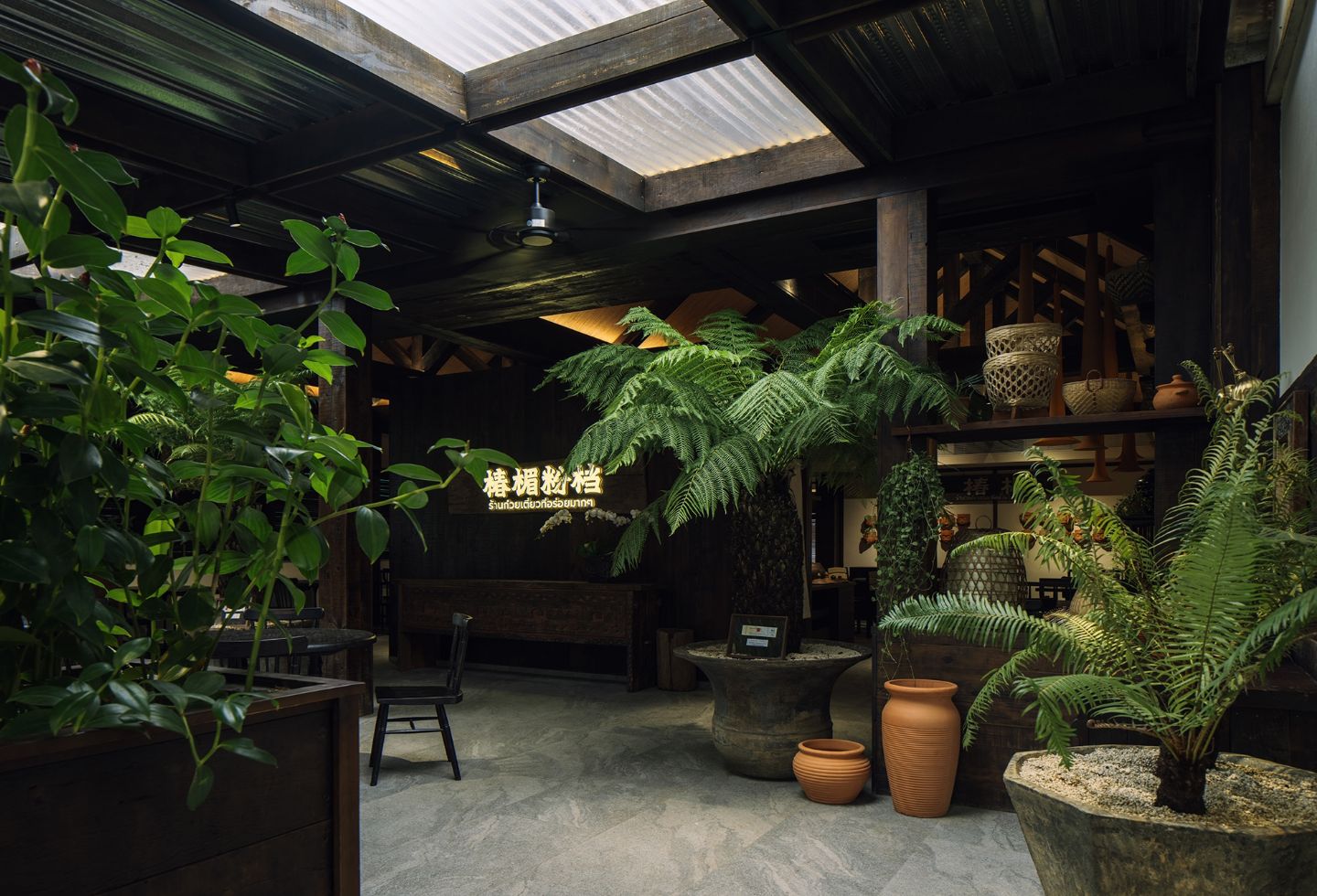
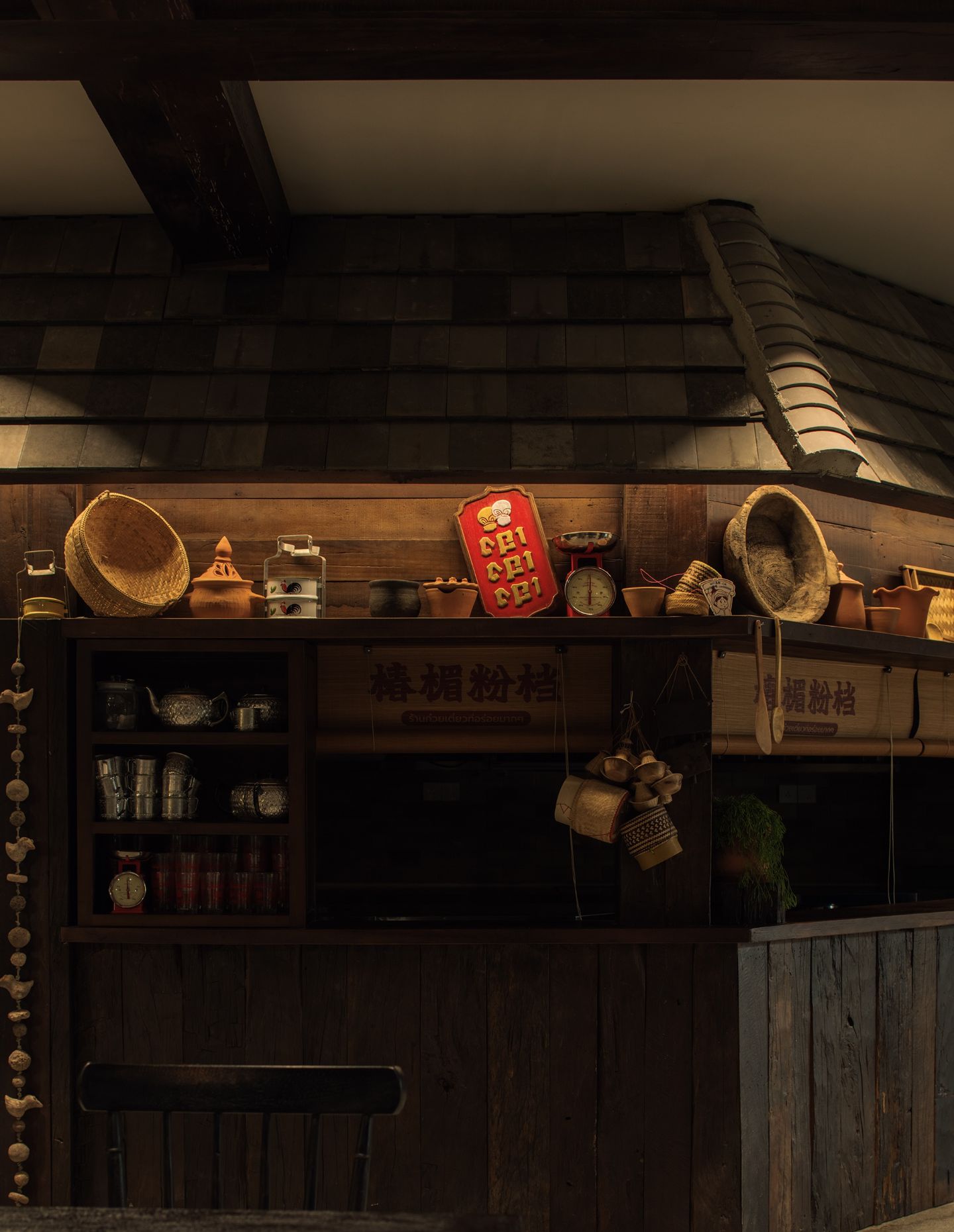
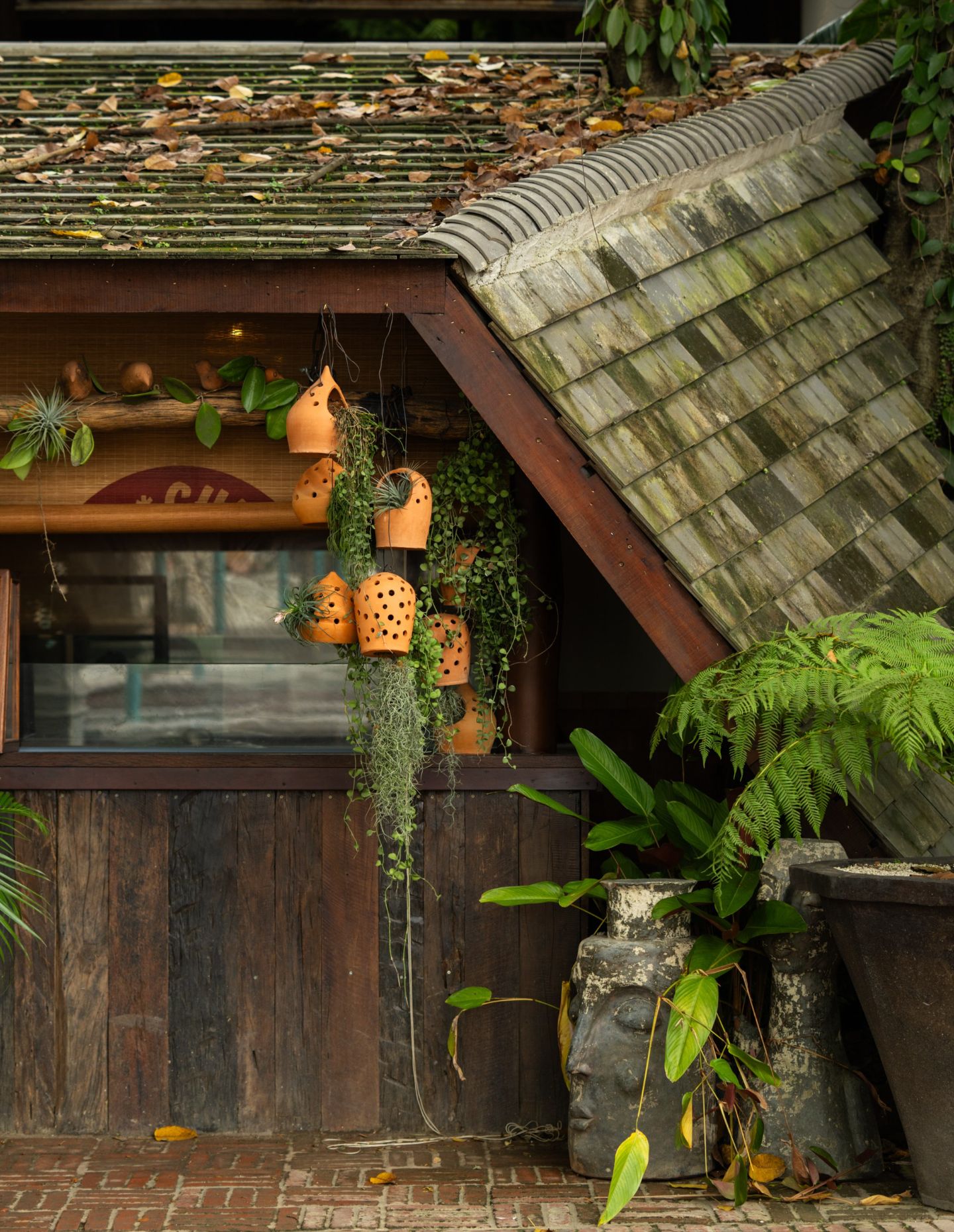
At Chun Mei Fen Dang, light is not treated as a visual tool to be precisely controlled, but rather as a natural condition that enters the space. Tiles slice natural light into soft, scattered brightness that falls upon plants, wooden beams and clay pots, maintaining a slow, moist sense of time within the space.
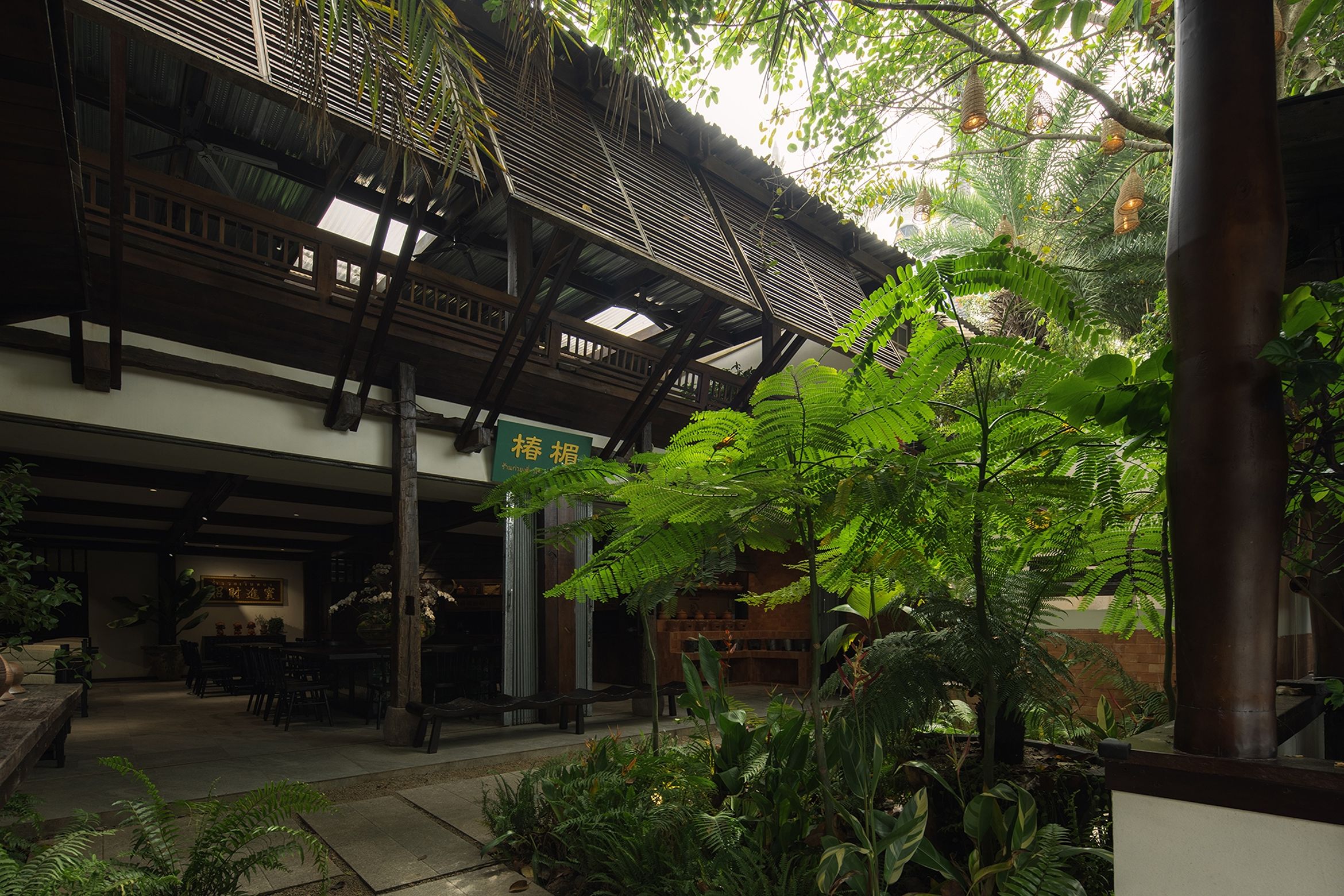
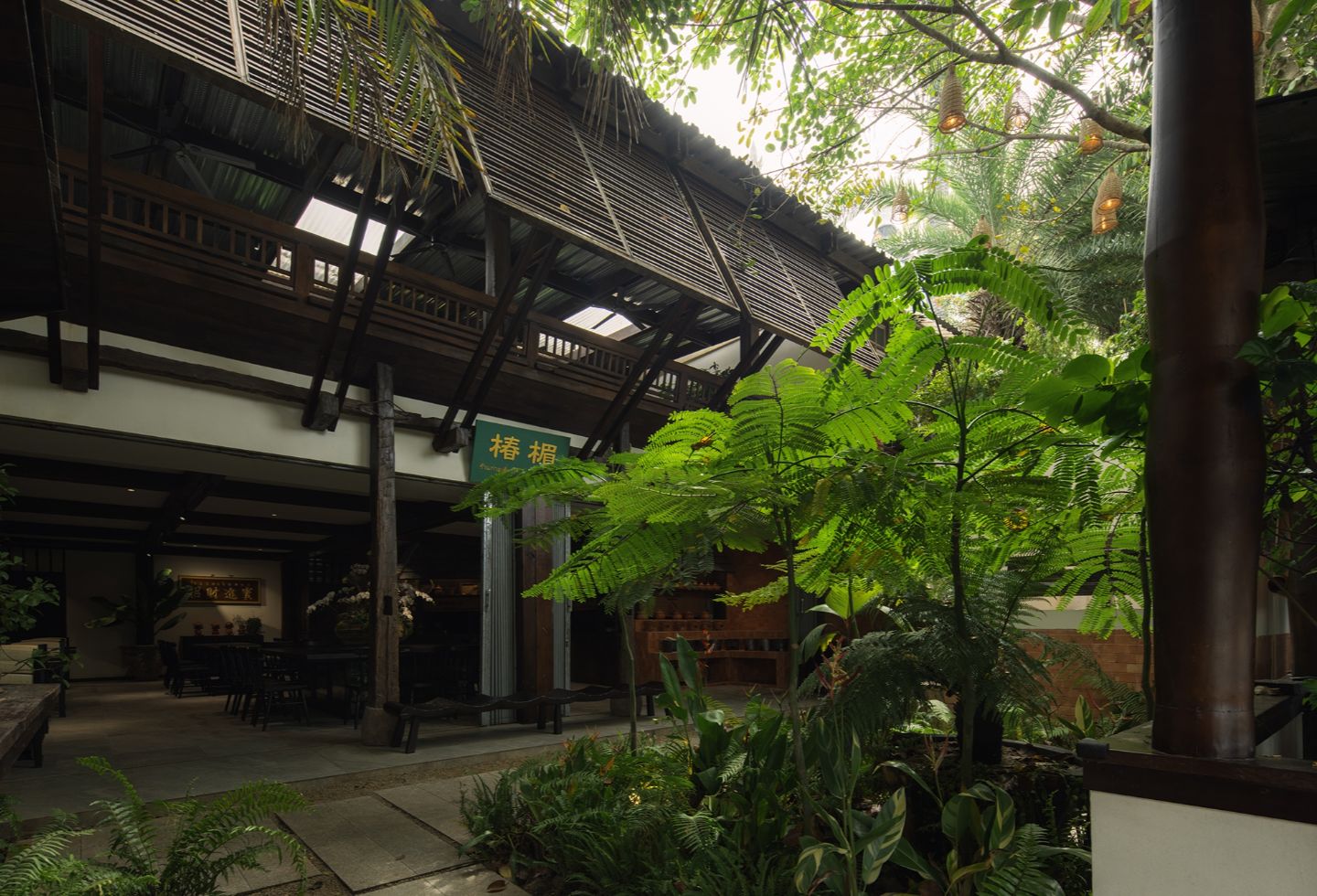
Wind moves through operable wooden louvres and the roof structure, carrying the humidity and scents distinctive to the tropics, gently dispersing the rising steam and aromas from cooking. Together, light, wind and humidity create a condition somewhere between indoors and outdoors.
Related: A gallery for the not-yet-built
What are the key material and structural choices?
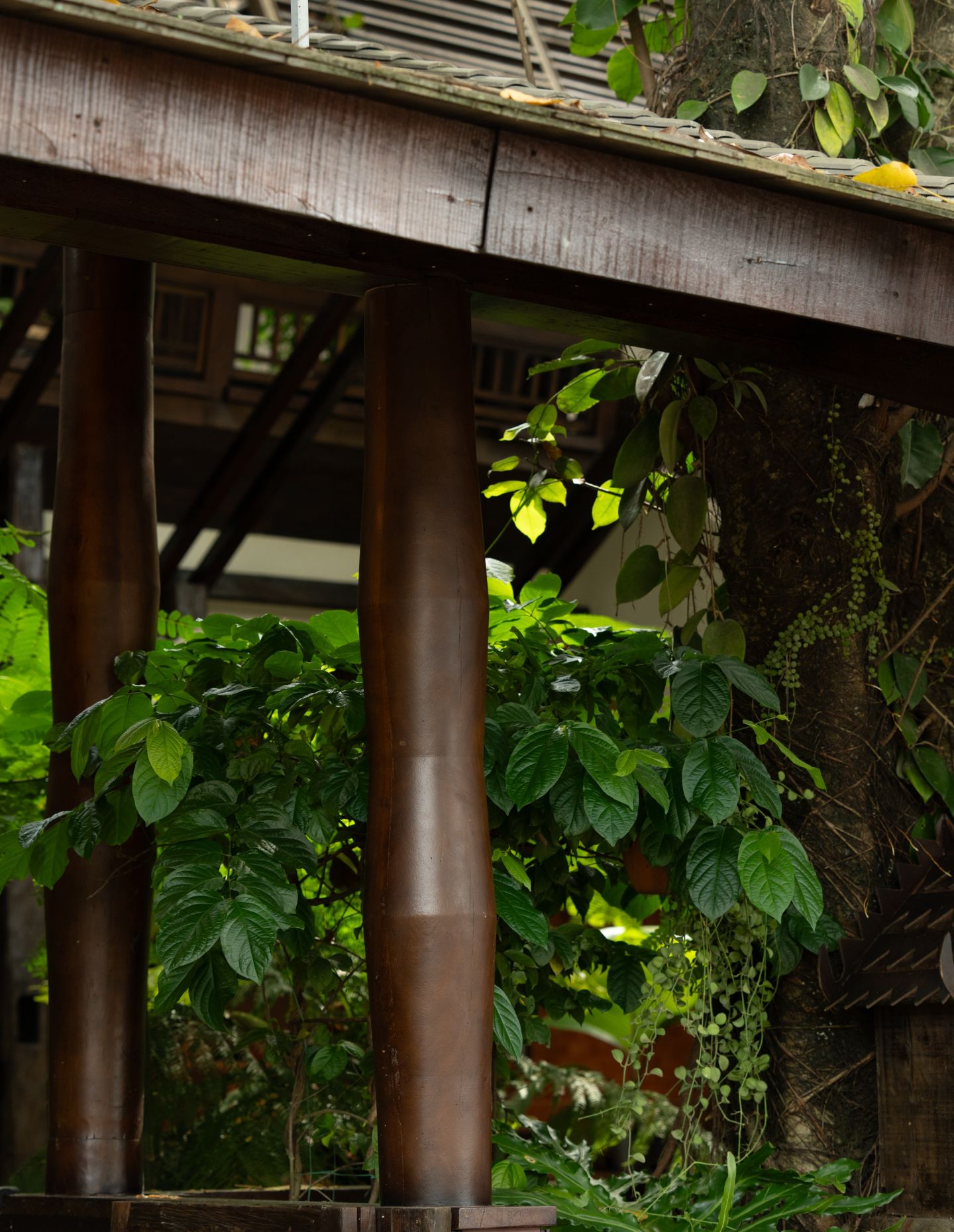
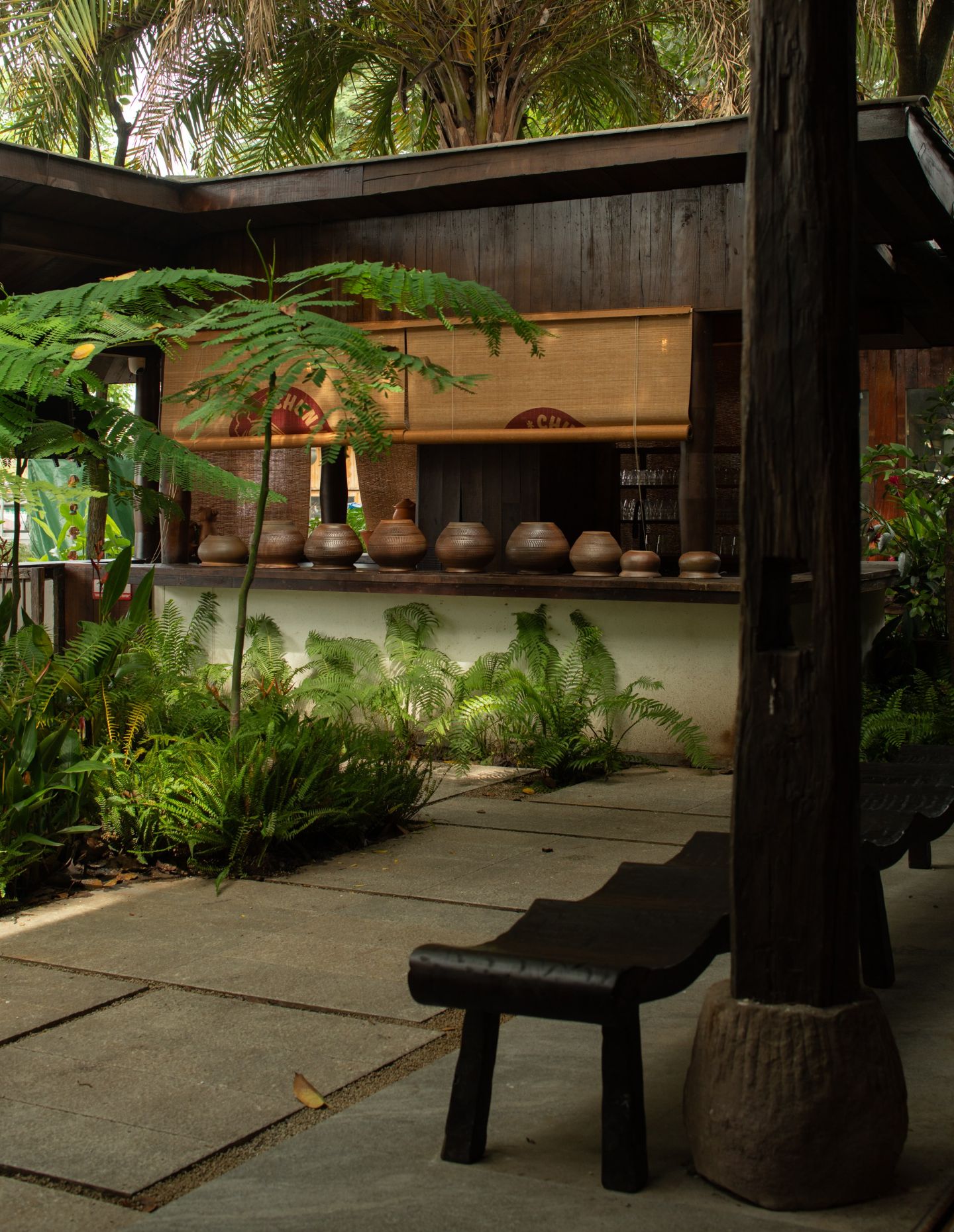
The main material and structural choices are timber and concrete. Here, materials are not assigned roles beyond their inherent nature. Wood retains its knots and traces of use; wooden windows open in the most direct way; stone flooring, with its naturally uneven texture, slows the pace of walking; thick, rustic clay pots are both utensils and vessels of memory connected to the land and food.
Different materials coexist, and through repeated use and touch, gradually develop quiet, tangible layers of life.
What key functional requirements does the design address?
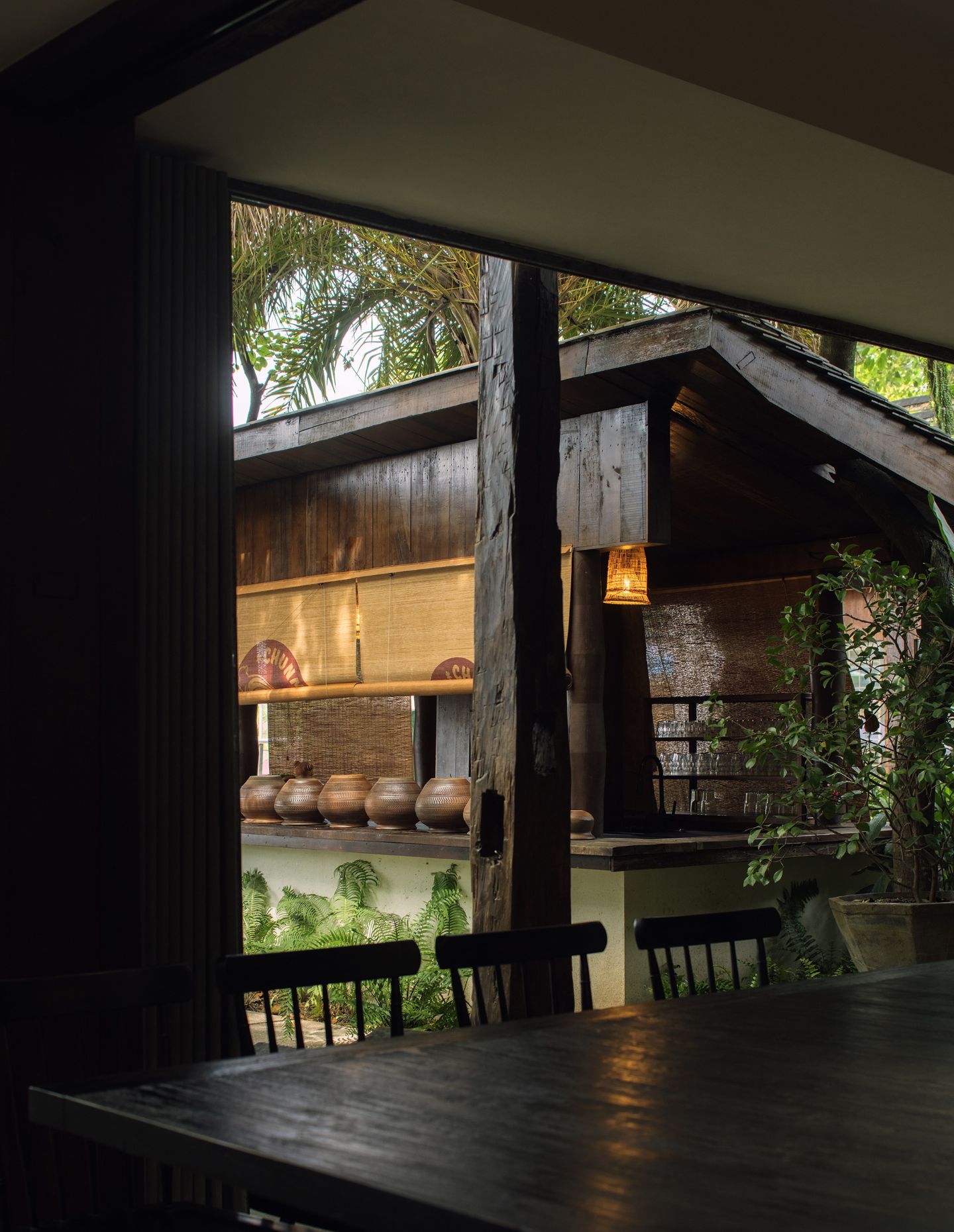
The design responds to the tropical climate of Xishuangbanna by ensuring natural ventilation, shade and spatial permeability. Operable wooden louvres, an open ground floor connected to the night market and breathable materials allow wind, humidity and cooking aromas to move naturally through the space.
At the same time, the layout supports the practical needs of a dining venue: clear circulation, visible cooking activities and flexible seating, while creating a comfortable environment for both quick meals and longer stays.
How does the restaurant connect to the night market?
The ground floor connects directly to the night market, with its open interface, tactile stone flooring and low seating maintaining a strong relationship between inside and out. The flow and warmth of the night market are allowed to extend into the restaurant.
Ascending the staircase wrapped in natural light, the space gradually turns inward. The second level, enclosed by a sloped roof and wooden structure, welcomes gentler air currents and sidelit illumination, making it better suited for prolonged stays and conversation.
The transition from the first to the second floor is achieved not through bold formal changes, but by naturally shifting rhythms, allowing bustle and quiet, openness and enclosure to coexist vertically.
What role does food play in the design?
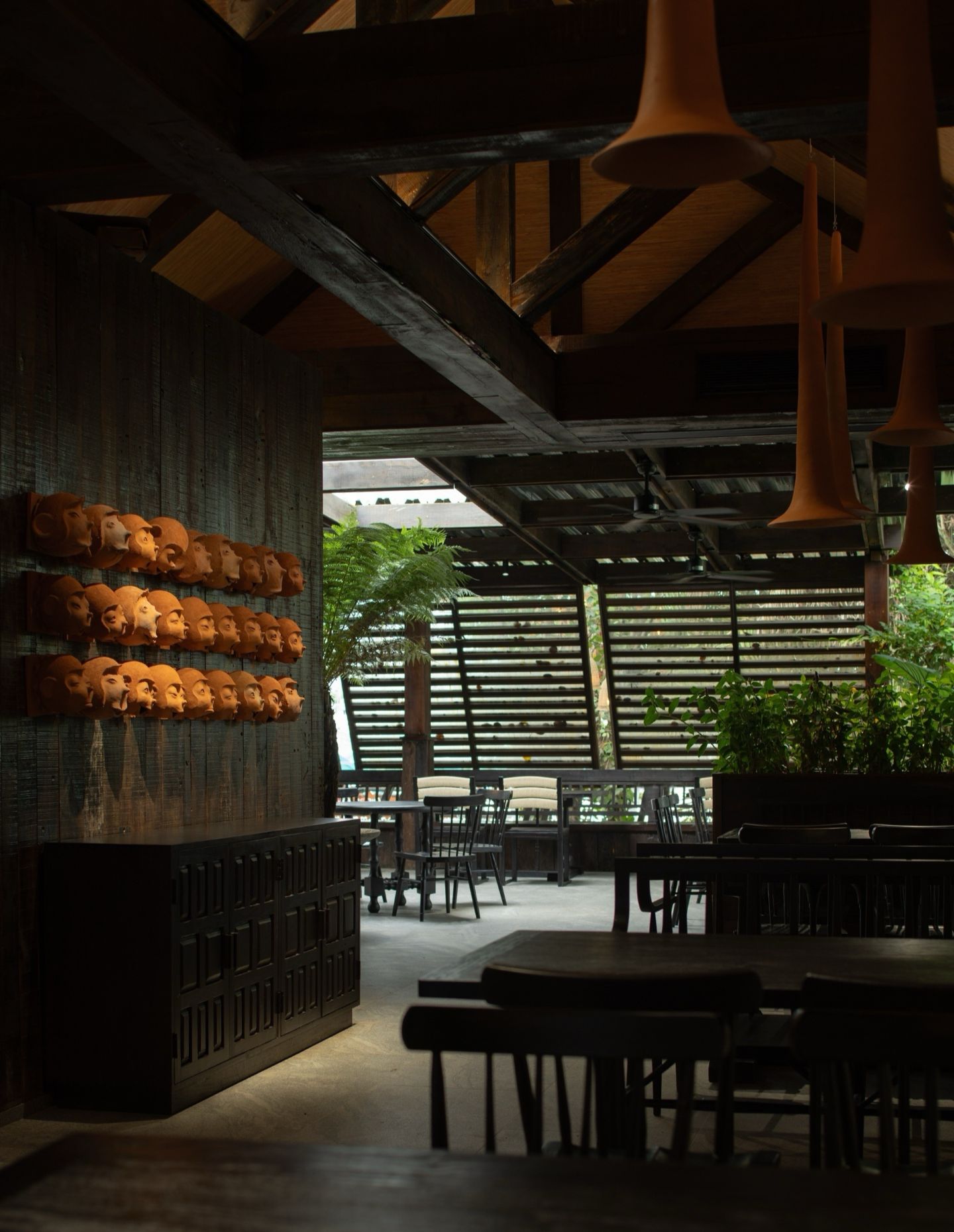
Food is the centre of the space. Cooking is not treated as performance but as a state of life that can be seen, smelled and even participated in. Dining becomes a holistic experience of climate, time and shared sensation.
The simmering sound of broth, rising steam and the natural diffusion of herbal, spicy and tangy aromas intertwine with plants, wooden structures and air currents within the space.
What is your favourite moment in the design?
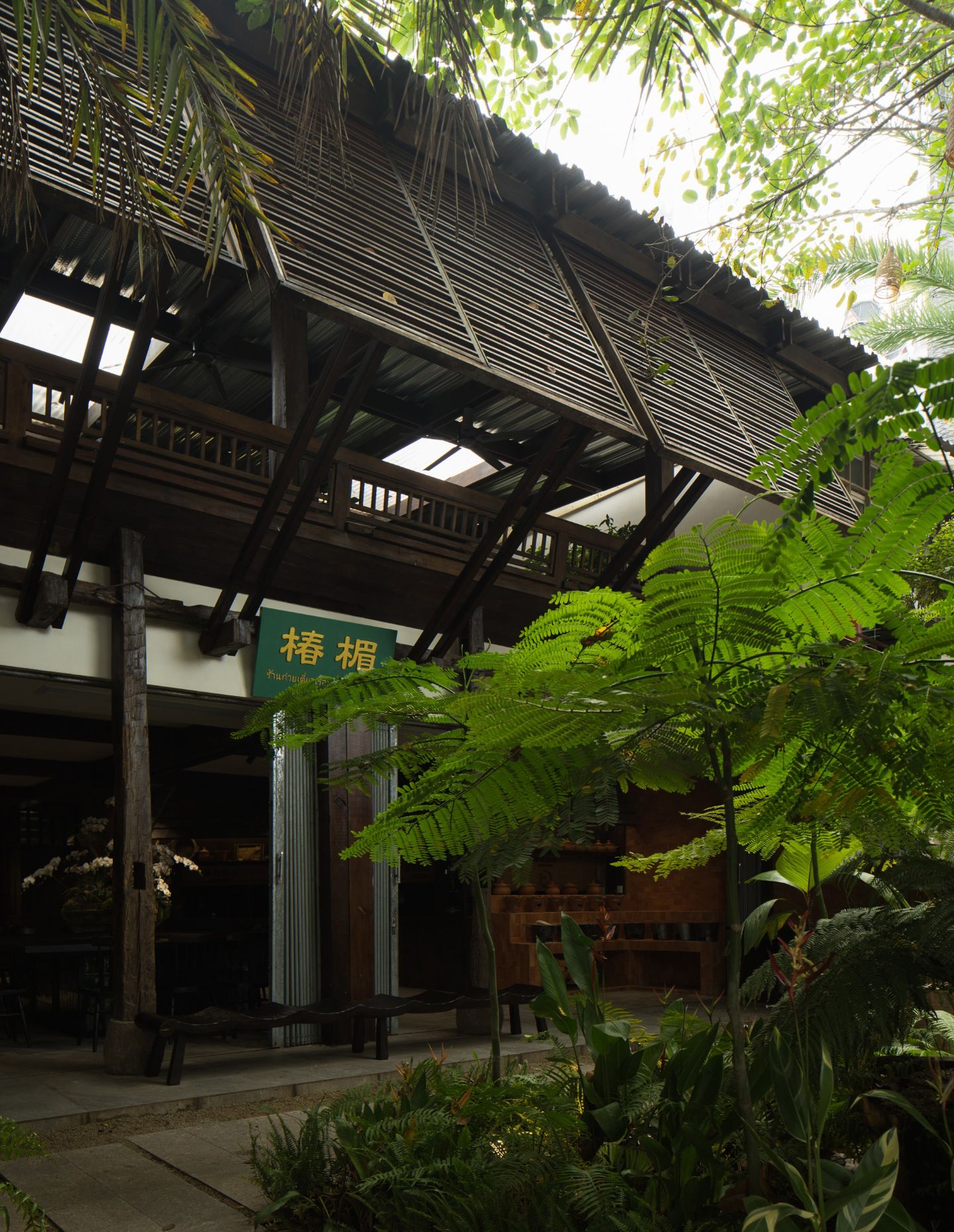
The favourite moment is when natural light filters through the tiled surfaces and wooden structures, while the breeze carries the steam and aromas of cooking through the space.
In that moment, light, wind, plants and food come together naturally, allowing the space to feel calm, open and closely connected to everyday life in the tropics.
How would you describe the project’s approach to tropical design?
The space deliberately avoids emphasising any particular “tropical style,” nor does it rely on symbolic decor to create a regional impression.
The design is more like an acknowledgment — acknowledging that light changes, wind flows and humidity cannot be entirely sealed out. Architecture and interiors do not attempt to define the tropics; instead, they let these natural conditions participate in the space in everyday ways, making the place part of lived experience rather than a subject to be merely viewed.
This is not a replication of any specific regional culture, but a respect for the tropical way of life. Climate, materials and food together shape a relaxed, open state of daily being.