
Glass House begins with a very constrained Richmond workers’ cottage. What did the existing building give you to work with and what did it resist?
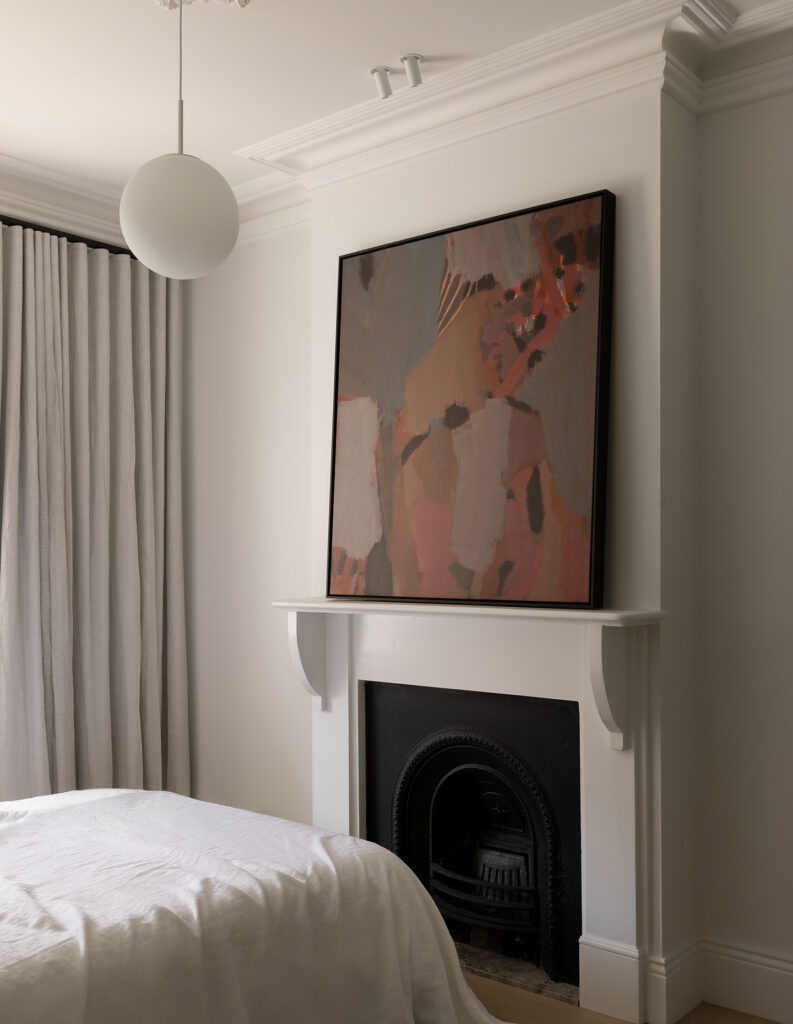
The existing cottage gave us a very clear starting point: a modest scale, a familiar rhythm to the street and a heritage language that we wanted to respect and develop through the new work.
What it resisted was almost everything a contemporary family home asks for. The site is narrow, the original rooms were compact, with bedrooms only around 2.7 metres wide, natural light was limited and the rear of the house made little use of either the orientation or the depth of the block.
We chose to treat those constraints as the framework for the project rather than the problem. The aim was never to overpower the cottage, but to respect it, adapt it and allow it to support a more generous way of living. That experience is really felt as you move through the adapted heritage rooms and into the new addition at the rear, where the house opens up completely.
The narrow strip of land to the north becomes quite central to the project. At what point did you realise it could unlock the whole plan?
The northern strip became one of the real discoveries at the very beginning of the project. Early on, it was clear that the house could not rely on a conventional rear extension alone. The original cottage is around four metres wide, while the block itself is closer to five metres, so there was an opportunity to rethink what had previously felt like residual space.
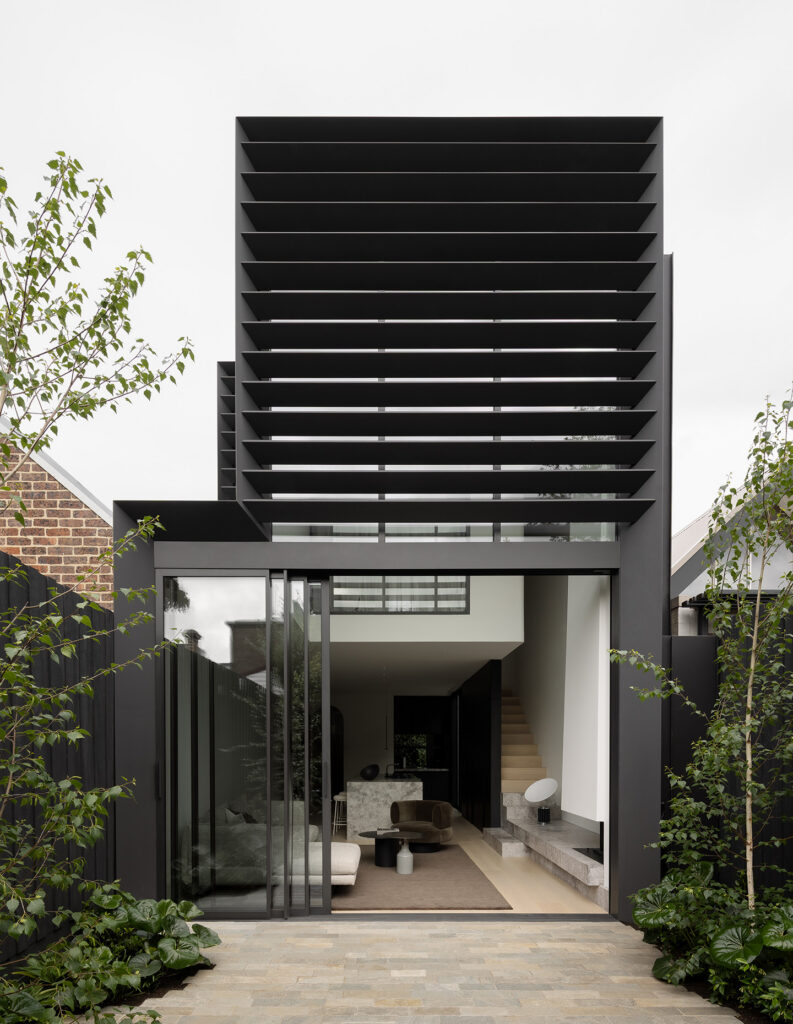
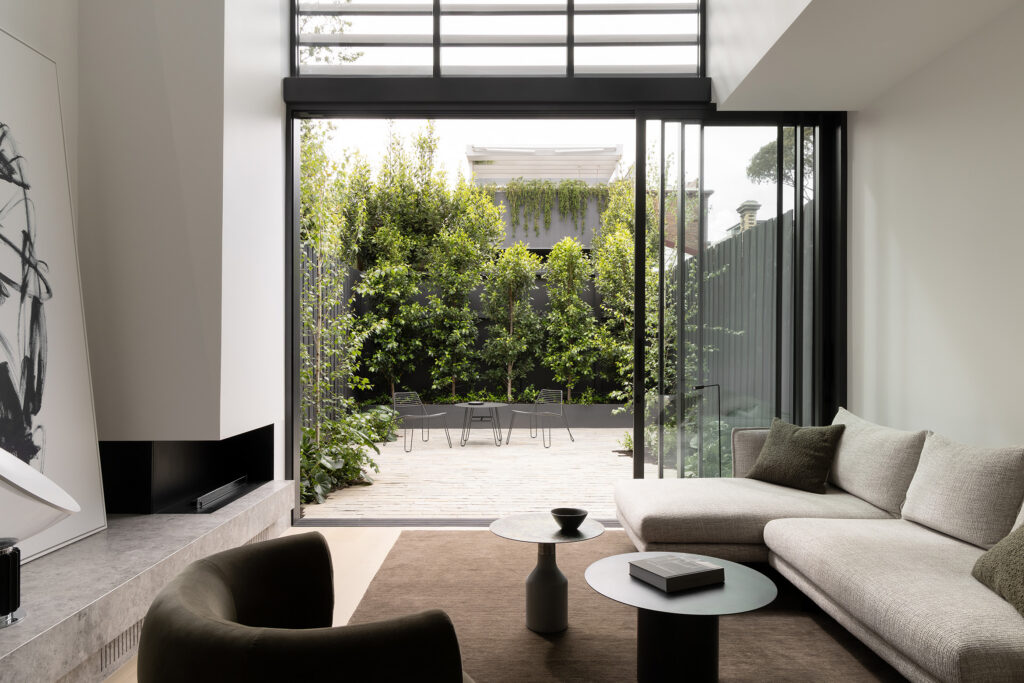
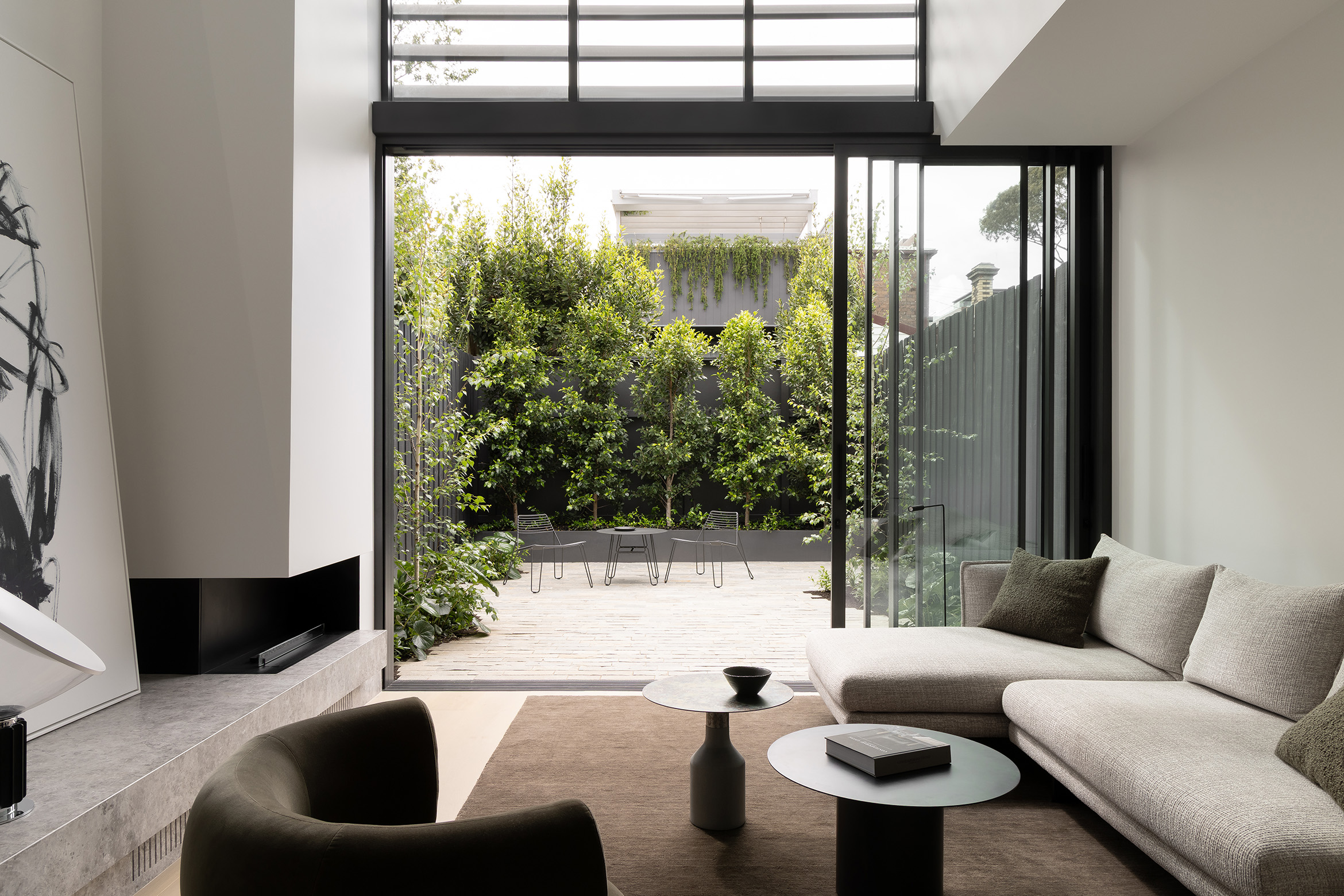
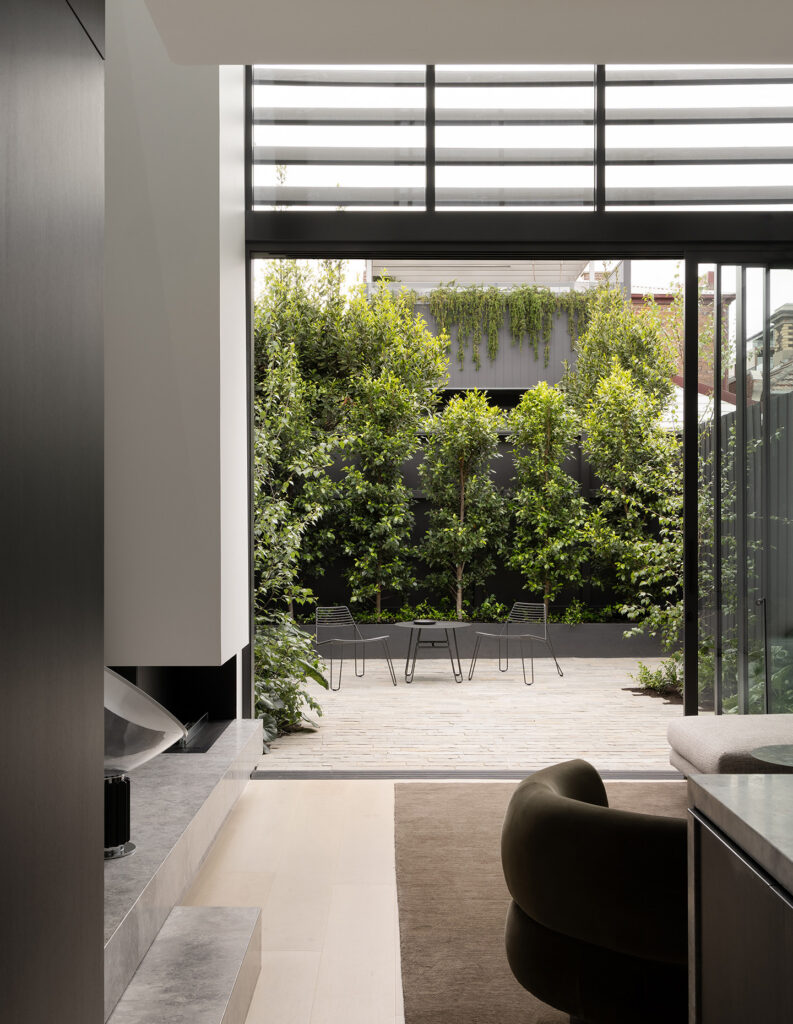
Once we saw the northern side as more than a leftover easement, the plan began to unlock. It allowed us to locate circulation, draw natural light along the length of the house and create outlooks to courtyard and landscaped spaces that bring landscape into the centre of the home.
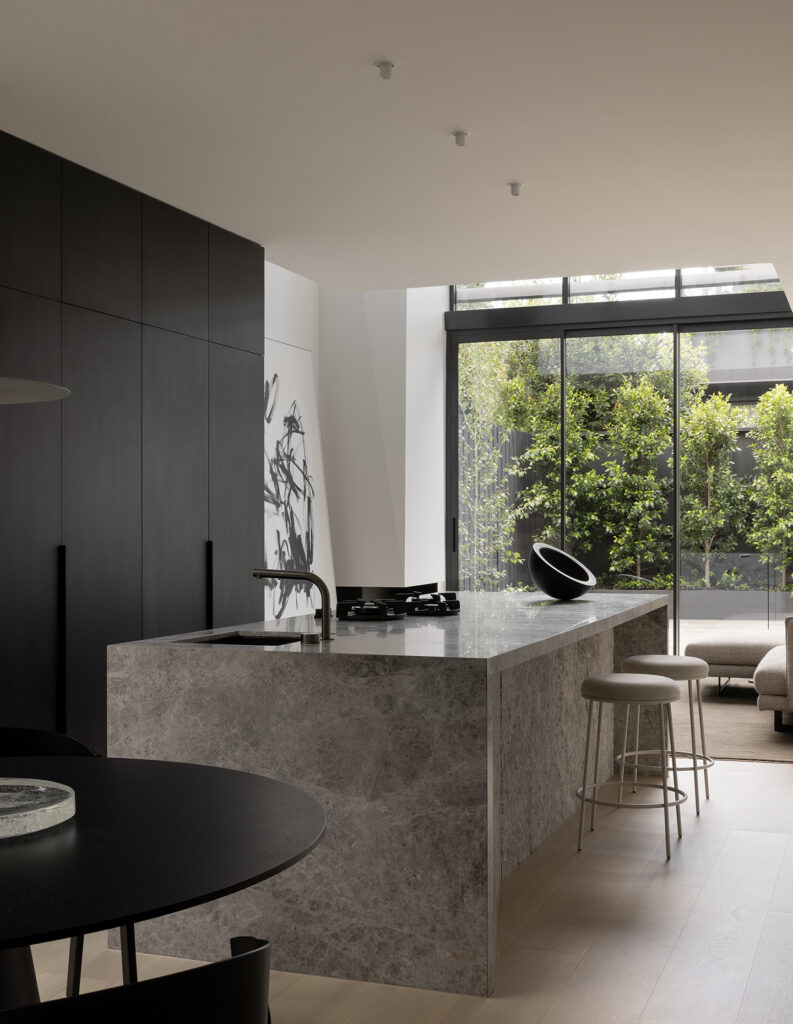
It also allowed the stair to become a concealed and integrated element within the plan, positioned behind the kitchen rather than encroaching into the main living spaces. On a narrow site, every square metre matters, so this move was critical. It made the house feel wider than its footprint would suggest and gave the new addition a stronger relationship to light and landscape.
Related: Discerning density
How did you approach the relationship between the original cottage and the new two-storey addition?
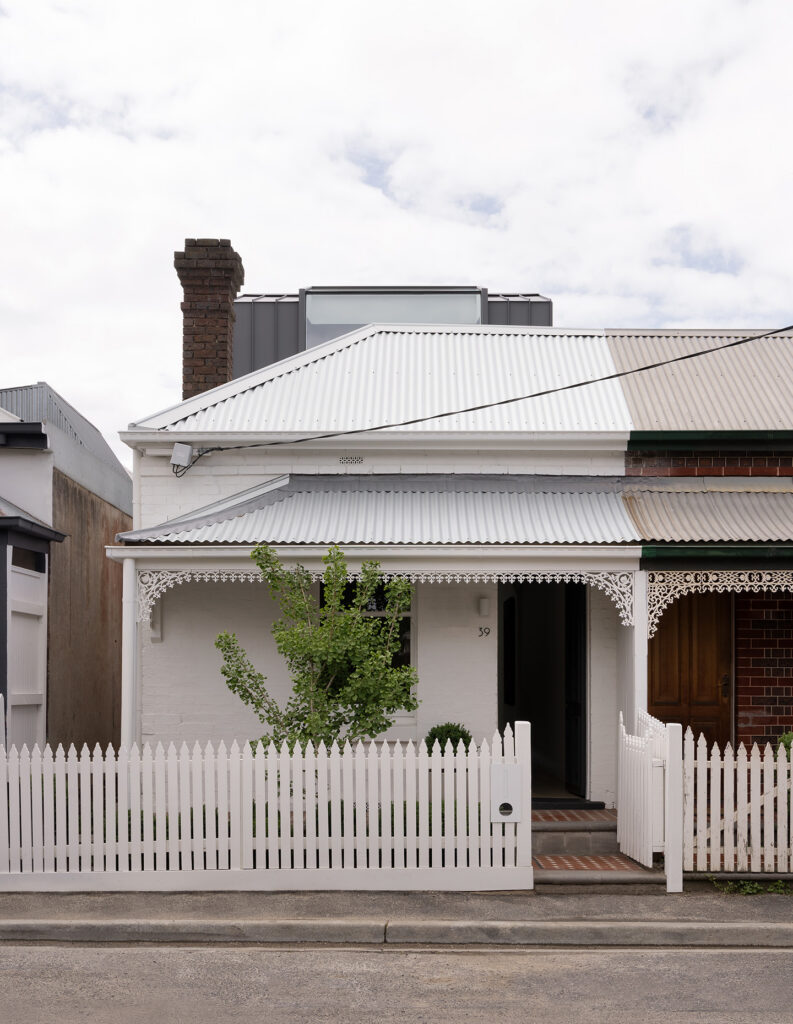
We approached the design by celebrating the heritage cottage and recessing the new addition. It was about respecting what had been there for more than 100 years, while layering in a more contemporary way of living.
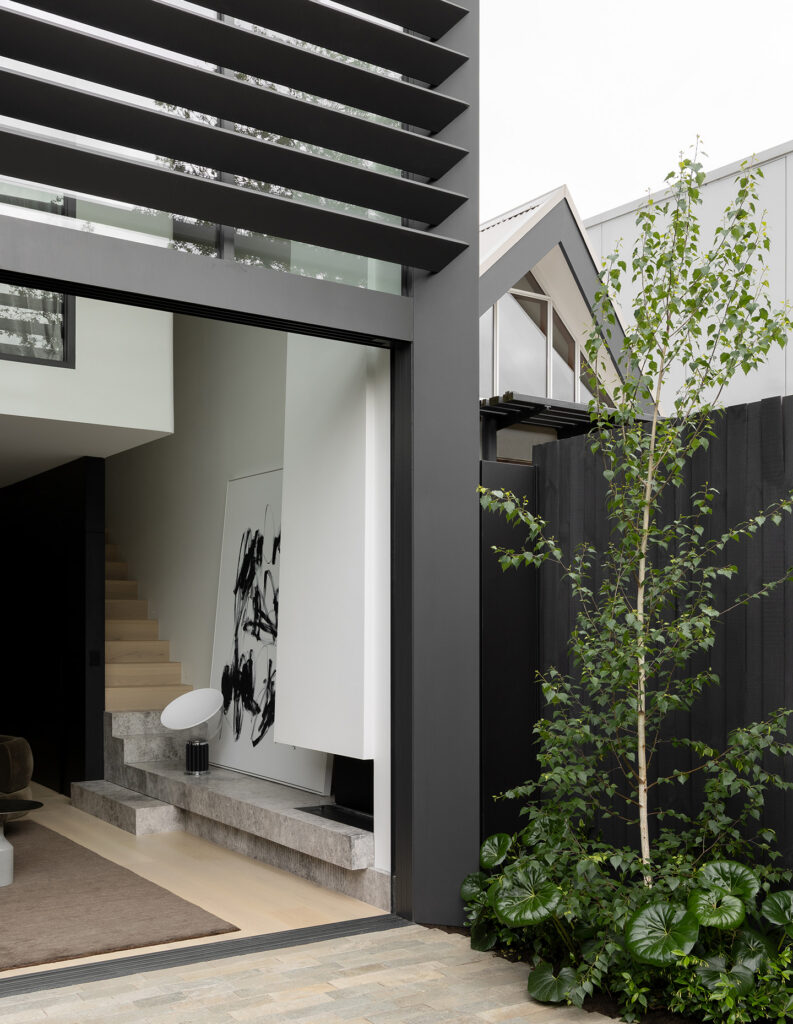
We wanted the old and new to be legible, but not in competition. The cottage retains its modest presence to the street, while the new home sits quietly behind it in a contemporary language that remains sympathetic to the original building.
That distinction is carried through material and volume rather than through a dramatic gesture. The darker metal cladding of the addition sits in contrast to the lighter painted brick of the original cottage, but the overall composition remains restrained. The connection between the two is quiet and deliberate, allowing the cottage to remain intact while the new addition does the work of opening the house up for the way a family lives today.
How did courtyards, skylights and planning moves benefit such a compact site?
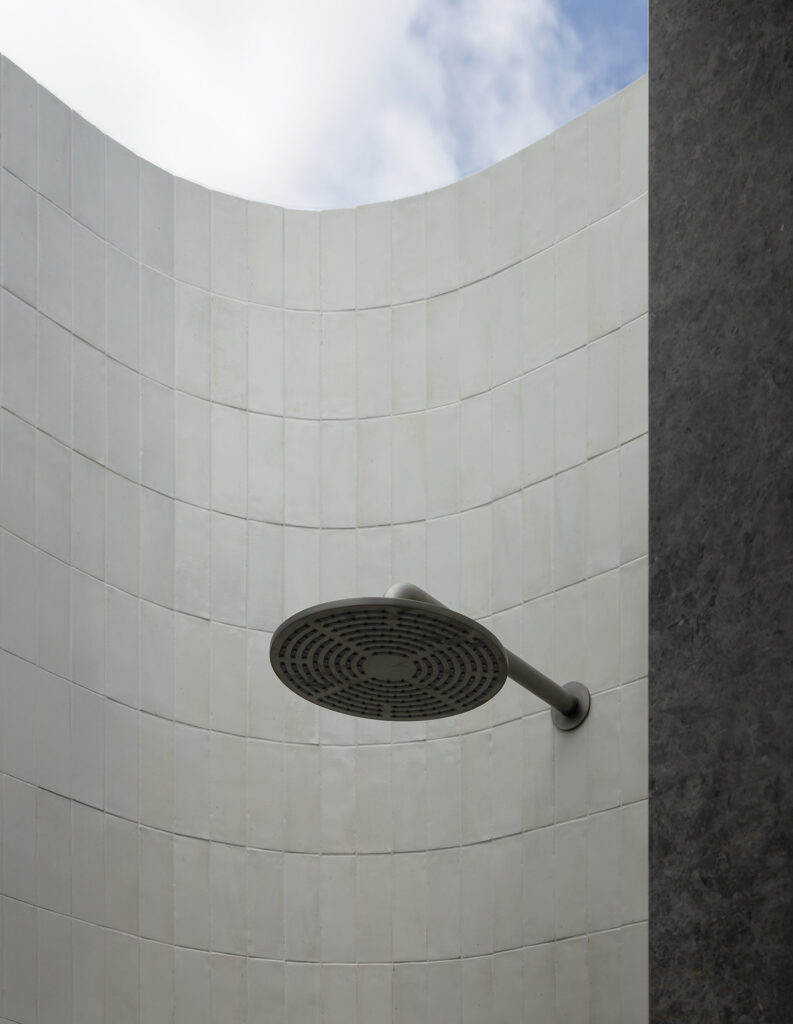
On a tight site, generosity has less to do with size and more to do with sequence, light and proportion. The courtyards and skylights create moments of pause and draw daylight into parts of the plan that would otherwise feel internal or compressed. Every space in the home has access to natural light, which is rare for this typology on a narrow inner-city block.
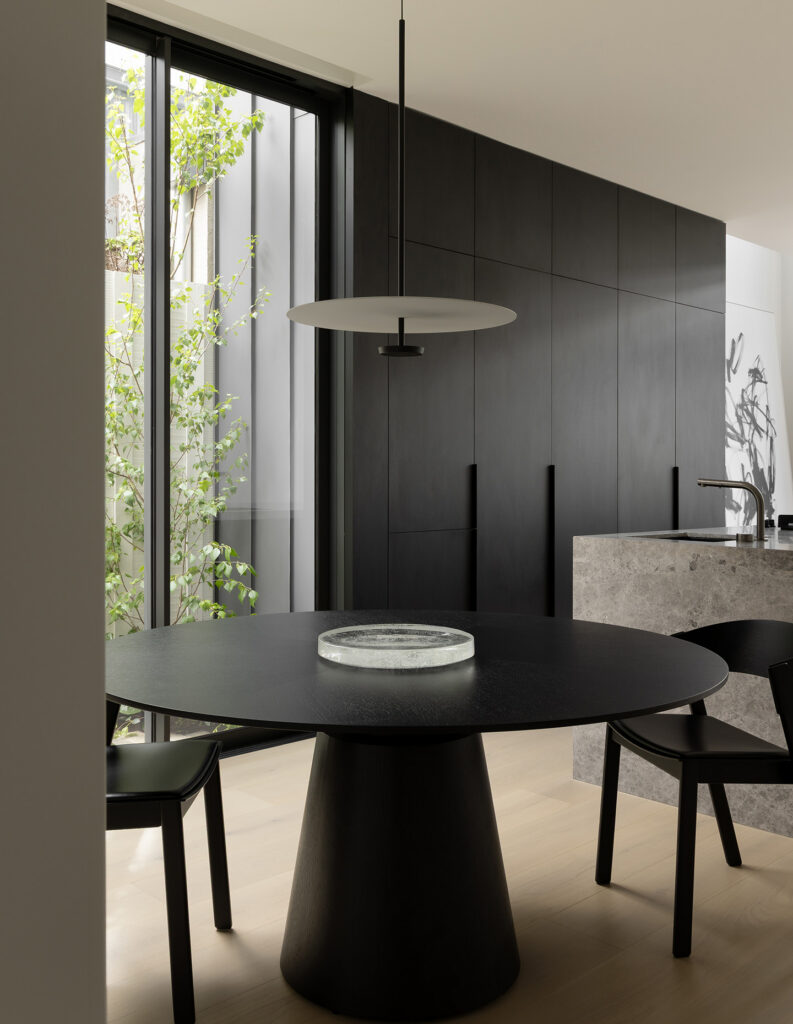
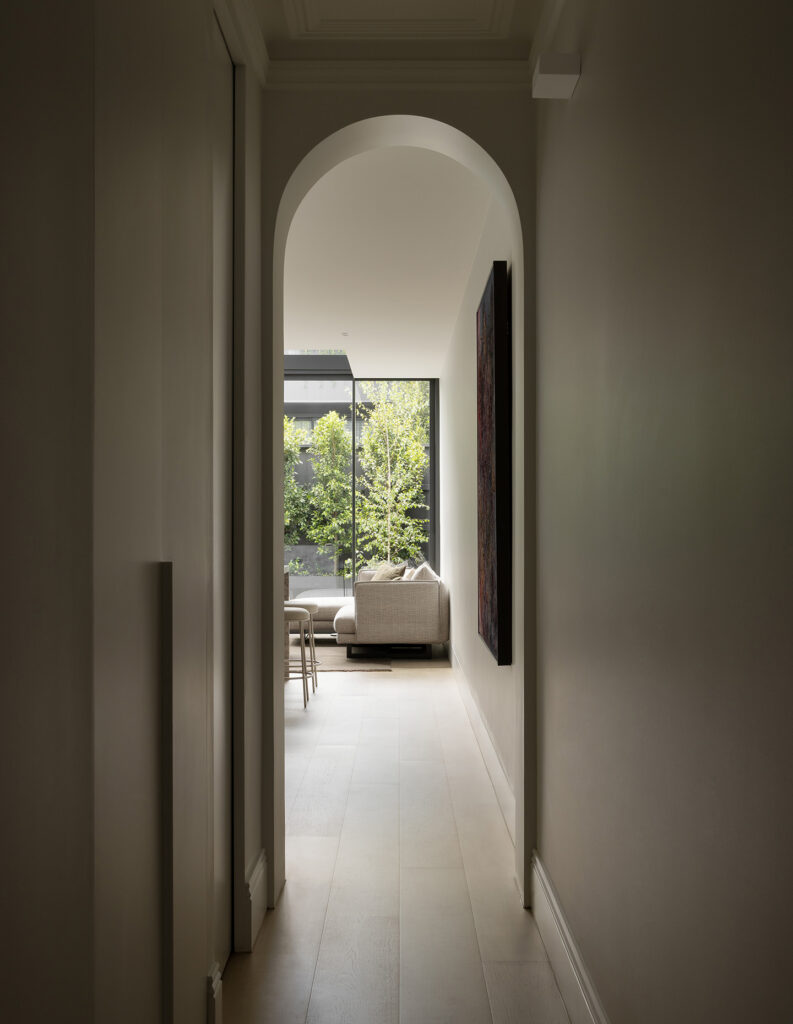
The planning is deliberately layered. Rather than relying on a single linear corridor, the house reveals itself through framed views and connections to the outside. As you move through the heritage corridor, there is a direct view to the landscaped rear yard, while the courtyard beside the dining room slowly reveals itself as you move deeper into the home.
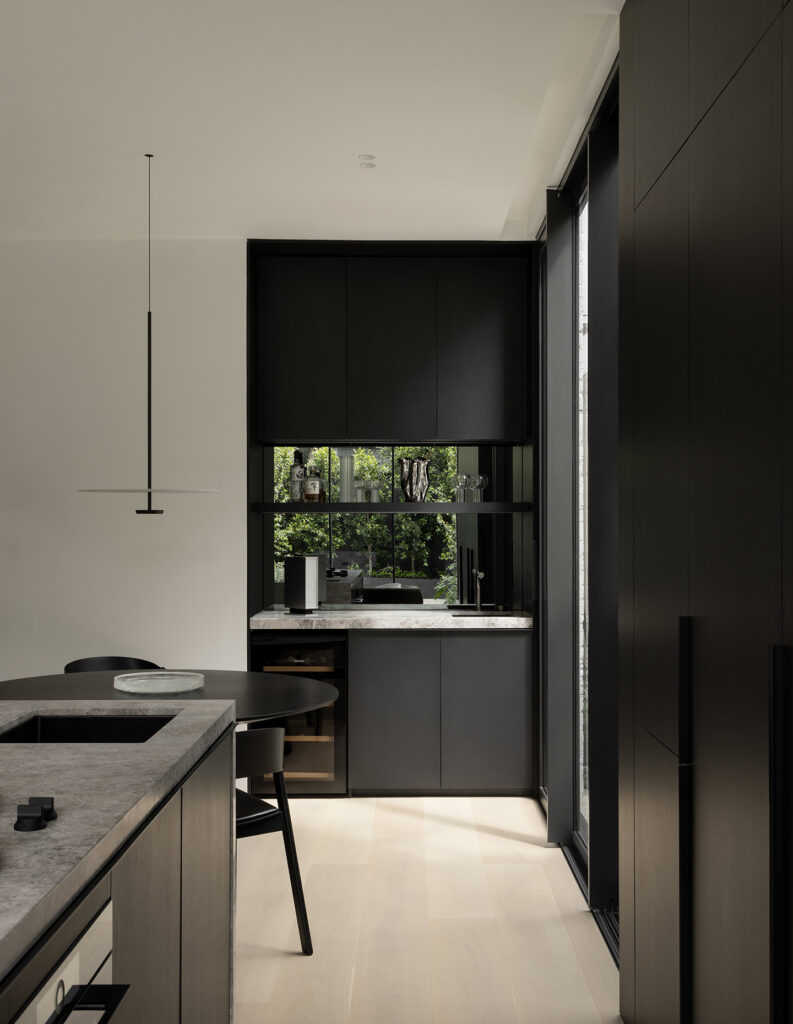
Circulation can often be celebrated in larger homes, but in narrow properties it can easily consume too much valuable space. At Glass House, we chose to integrate the stair within the architecture rather than express it as a standalone object. Concealed behind the kitchen, it becomes part of a larger composed element that brings together movement, storage, fireplace, kitchen and display.
It is a quiet move, but one that carries much of the logic of the house. Each part works together so the home feels more generous, calm and resolved than its footprint might suggest.
How do you decide when an architectural intervention has done enough?
For me, an intervention has done enough when it feels inevitable, as though it could not have been done any other way.
There is a point where adding more begins to weaken the idea rather than strengthen it and, with Glass House, restraint was central to the project. The house had to resolve spatial, heritage and functional problems, but the result still needed to feel effortless.
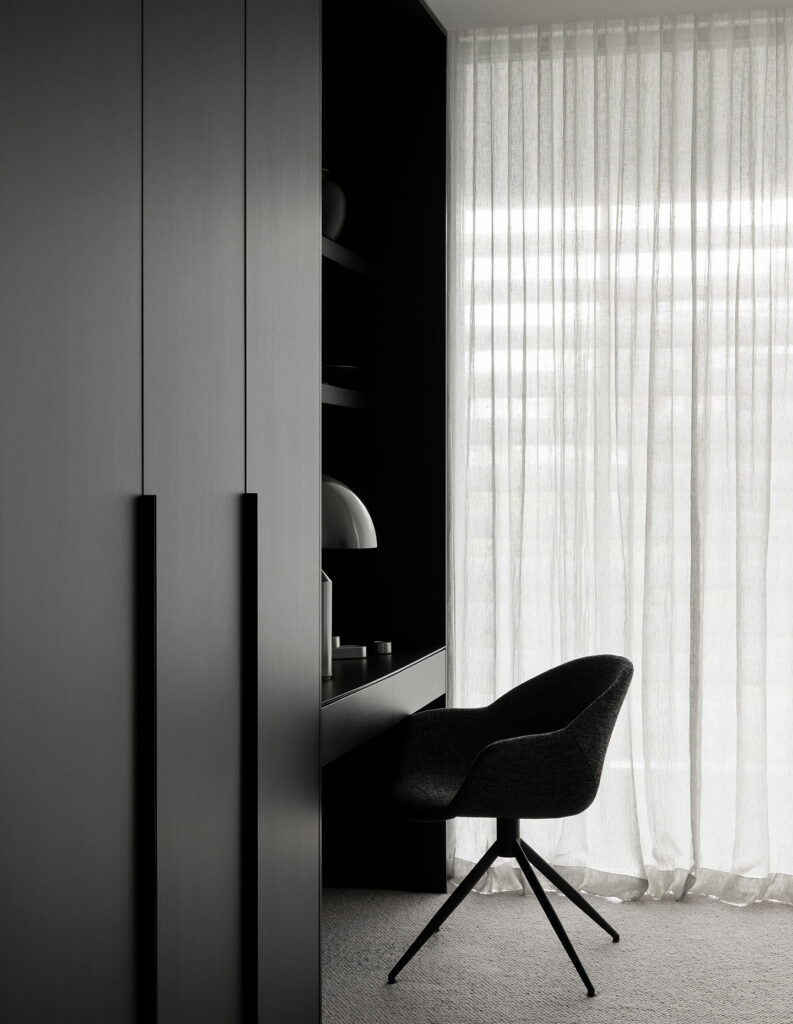
We kept asking whether each move was genuinely contributing to the design, whether it was bringing in light, improving circulation, creating privacy, framing a view, resolving a junction, maintaining ceiling heights, or carefully integrating services and storage.
Anything that was not contributing to the clarity of the home was simplified or removed.
What does this project reveal about the kind of practice you are building?
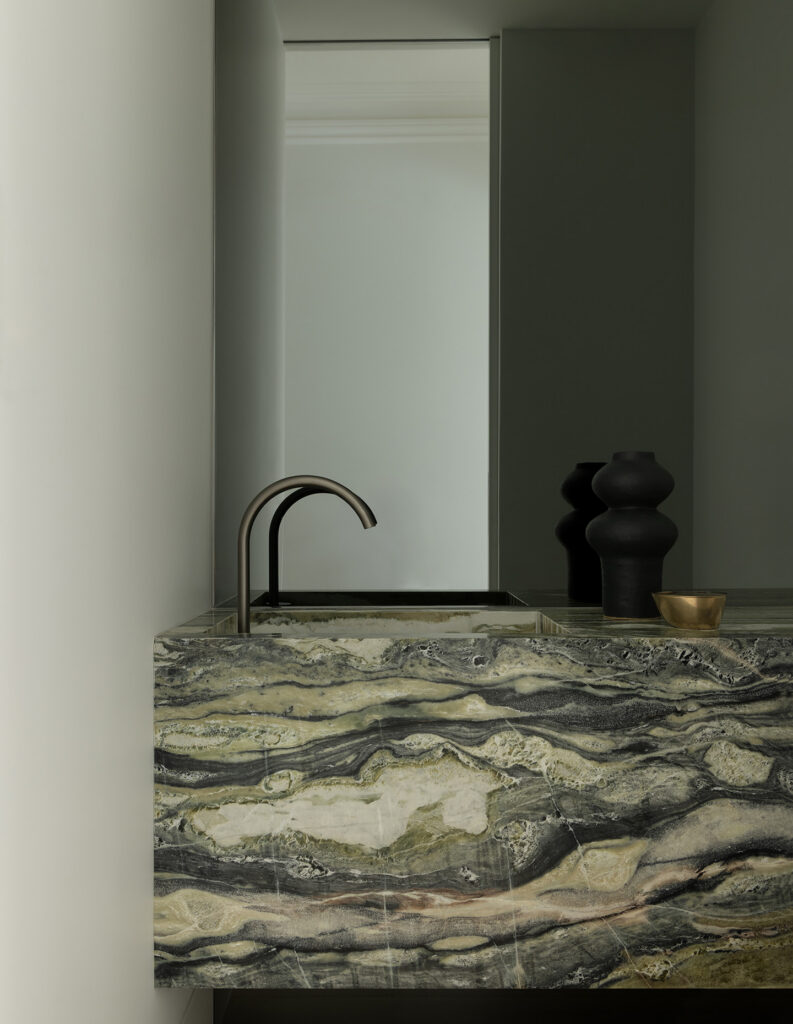
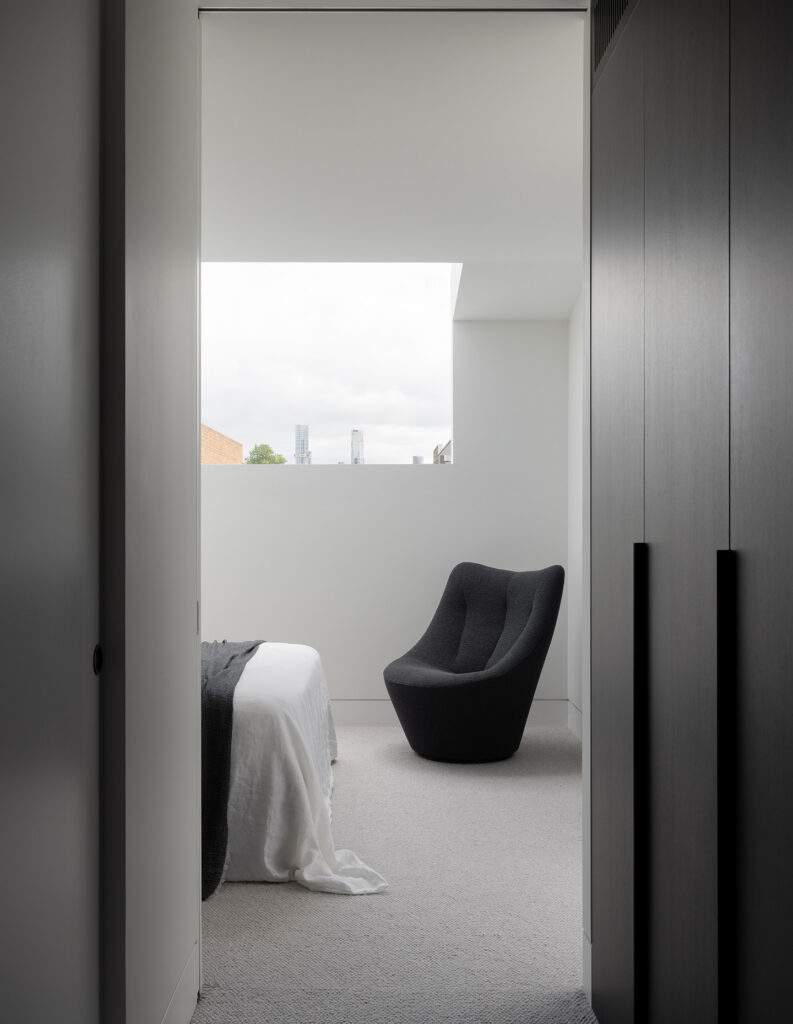
Glass House reveals a lot about the kind of practice we are building at Ardo. It reflects our interest in lived experience, how light moves through a home, how materials age, how rooms are proportioned and how architecture can quietly support the rhythm of daily life.
For us, design is not about imposing an idea onto a site. It is about finding the right balance of proportion, privacy, natural light, materiality, wellness and atmosphere, so a home feels calm and liveable. When those elements are handled carefully, architecture can elevate the everyday without needing to announce itself.
Glass House was an evolution of those ideas. It shows how constraint can lead to clarity and how a compact heritage site can be transformed without losing its character. The project reflects what we want Ardo to stand for: thoughtful, enduring spaces that feel grounded in context, generous in experience and quietly their own.