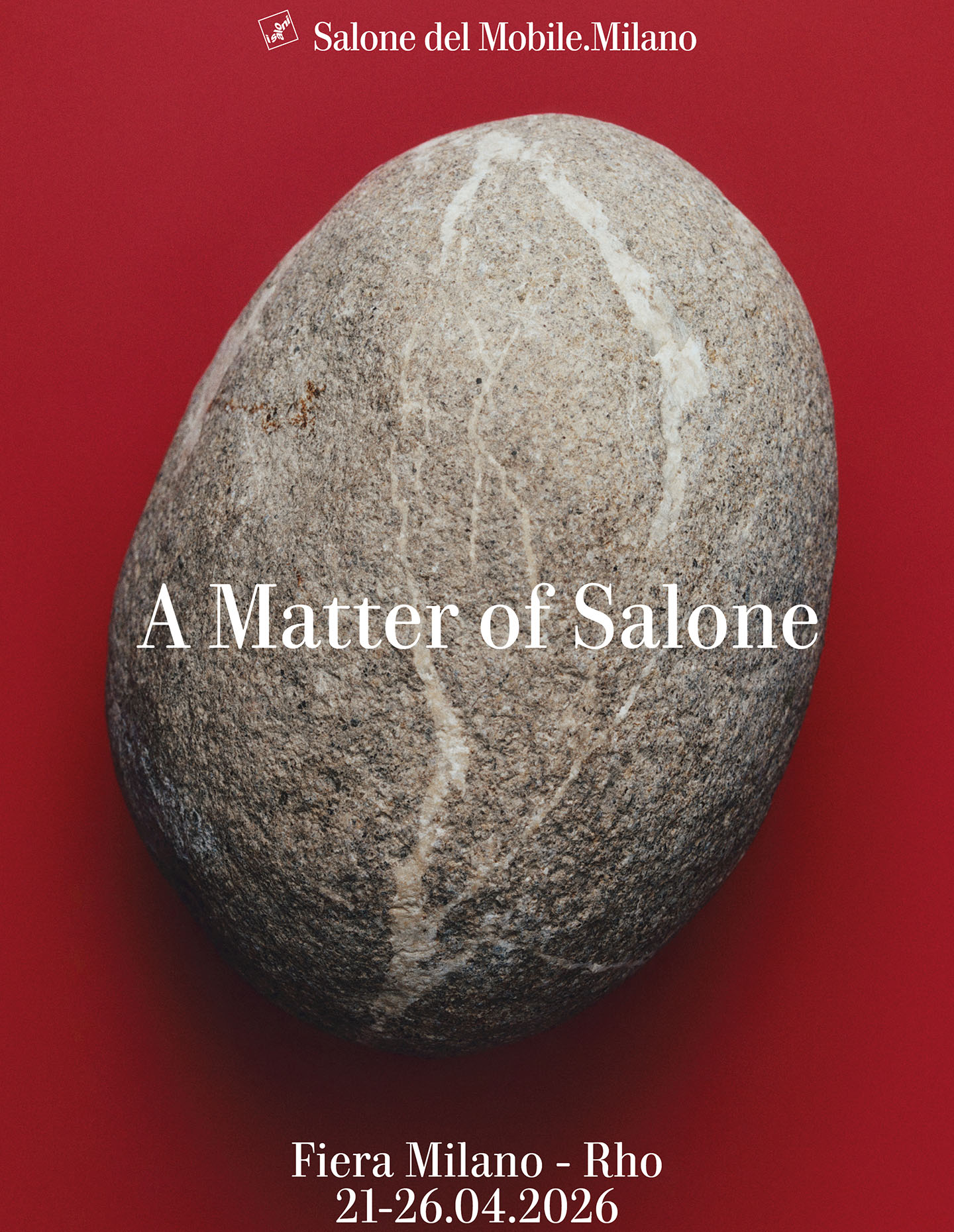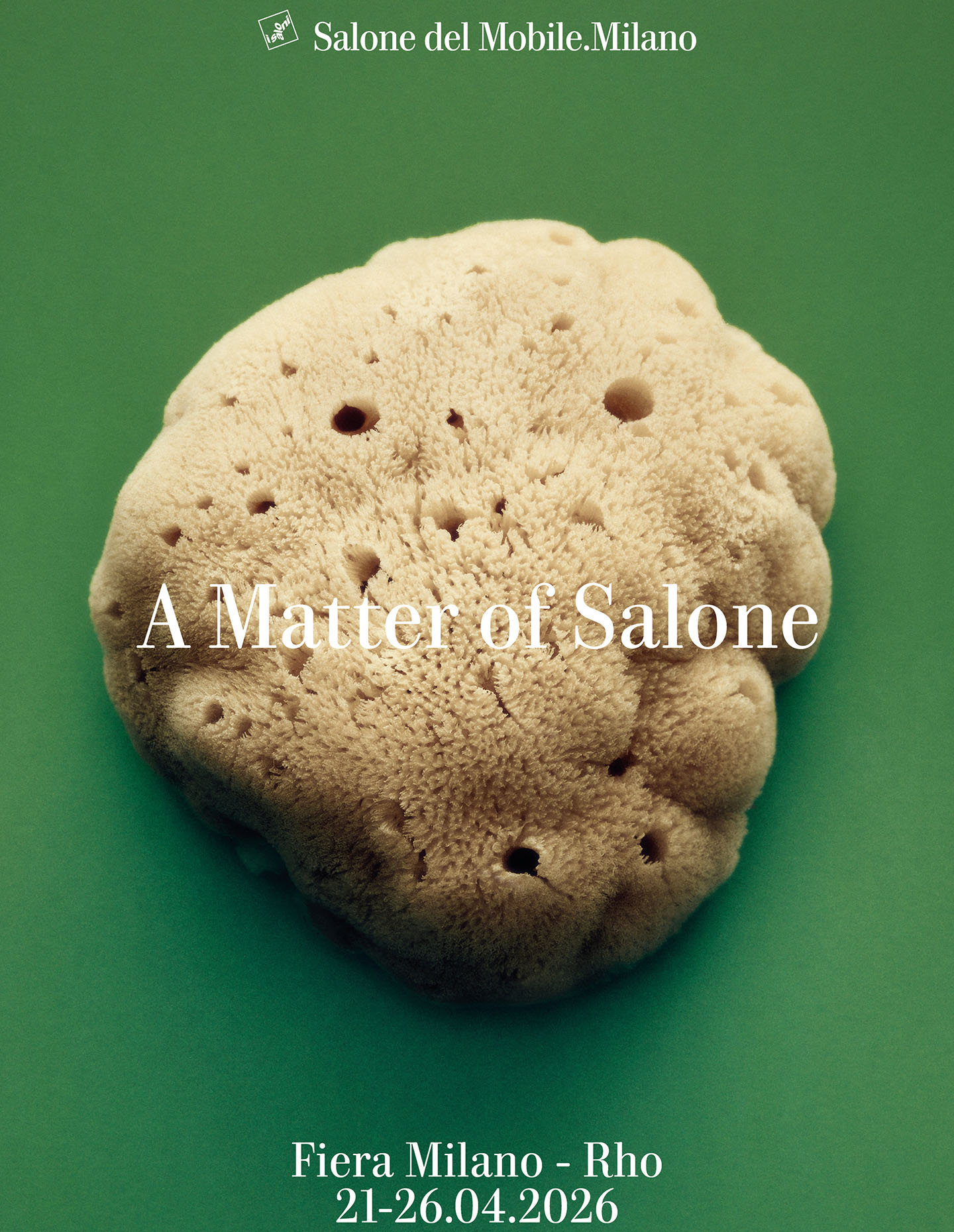

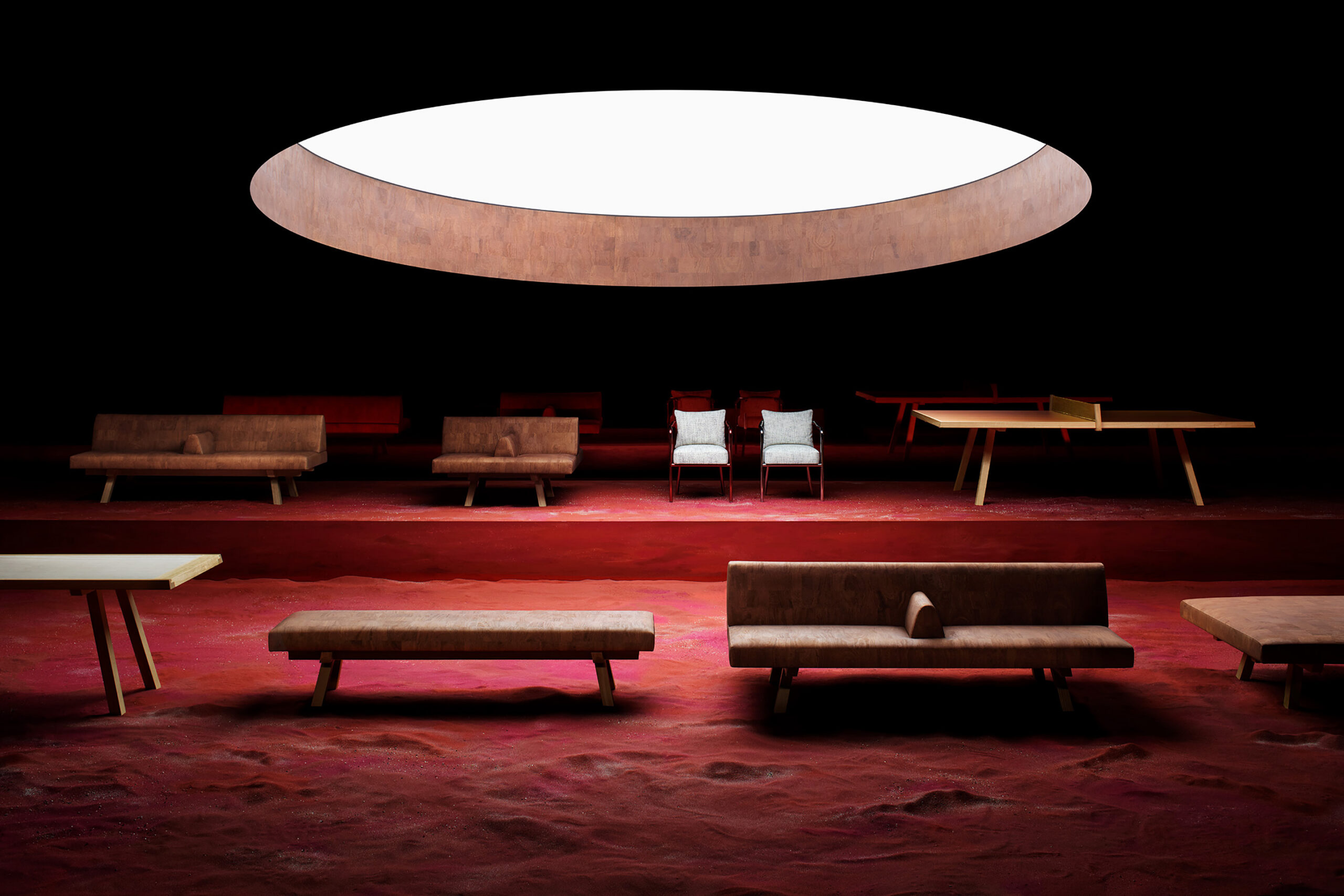
Milan Design Week is set to kick off in late April! Salone del Mobile.Milano 2026 will bring global connections, curatorial innovation and new initiatives, including Salone Raritas, Aurea – an Architectural Fiction, and the launch of Salone Contract, ahead of its 2027 debut. With EuroCucina, the International Bathroom Exhibition, SaloneSatellite and countless other programs, there will be over 1,900 exhibitors from 32 countries showcasing design across 169,000 square metres. Our team will be on the ground once again, not just to pull out some highlights but to take some closer looks at the most interesting, exciting and surprising things we see. In the meantime, here are a few expected highlights.
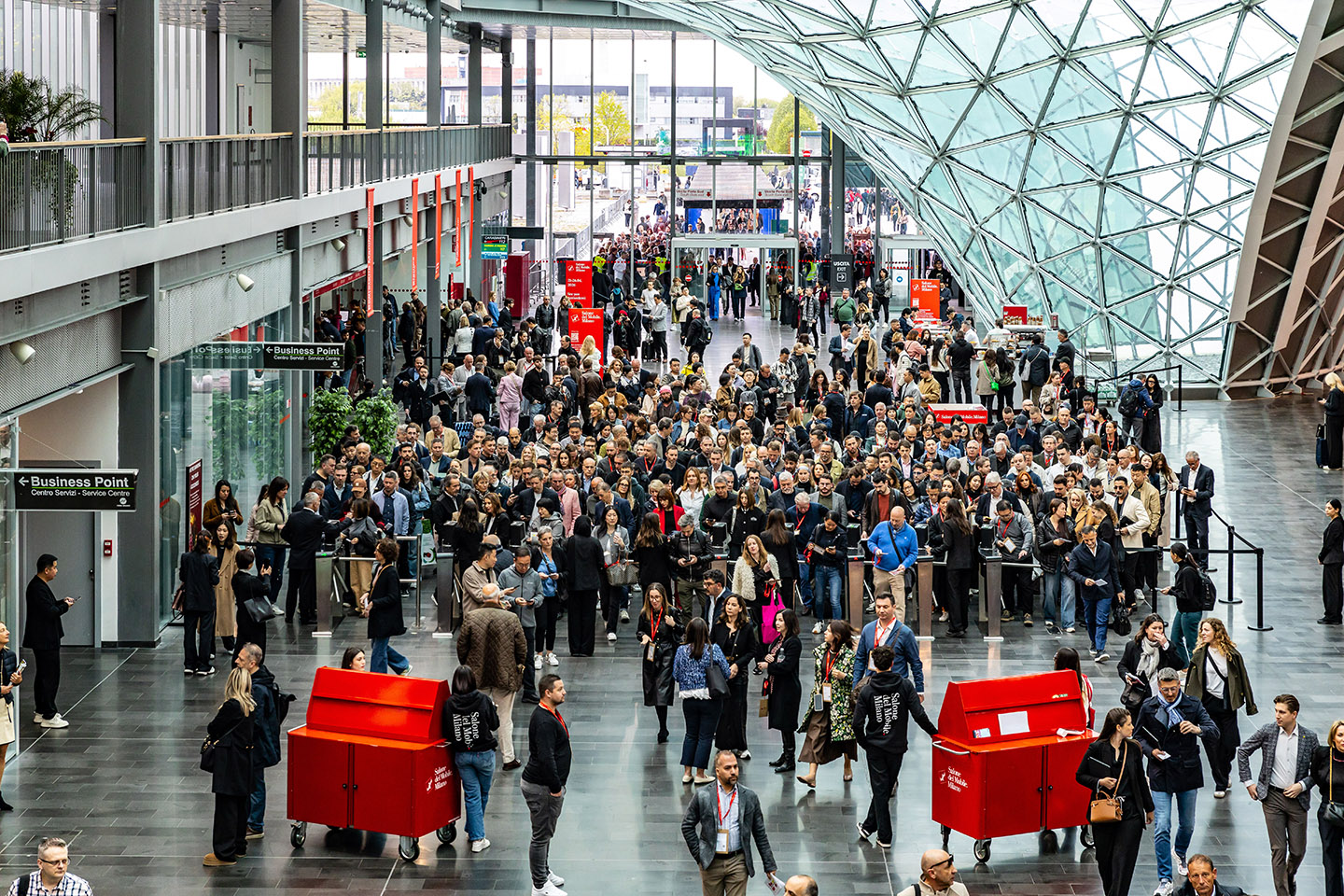
MTM – Made to Measure is a furniture system designed by Herzog & de Meuron and set to be presented for UniFor. The collection is defined by a single constructive logic: solid angled frames that stabilise horizontal elements while enabling slender, lightweight proportions. This forms the basis of an open system that adapts into different typologies while maintaining formal and structural coherence.
The range includes tables in various sizes and finishes, benches, cork-upholstered sofas, coffee tables and a ping pong table. Solid wood forms the structural framework, with table tops in travertine and coloured glass. Cork upholstery introduces a durable, renewable surface that develops character over time.
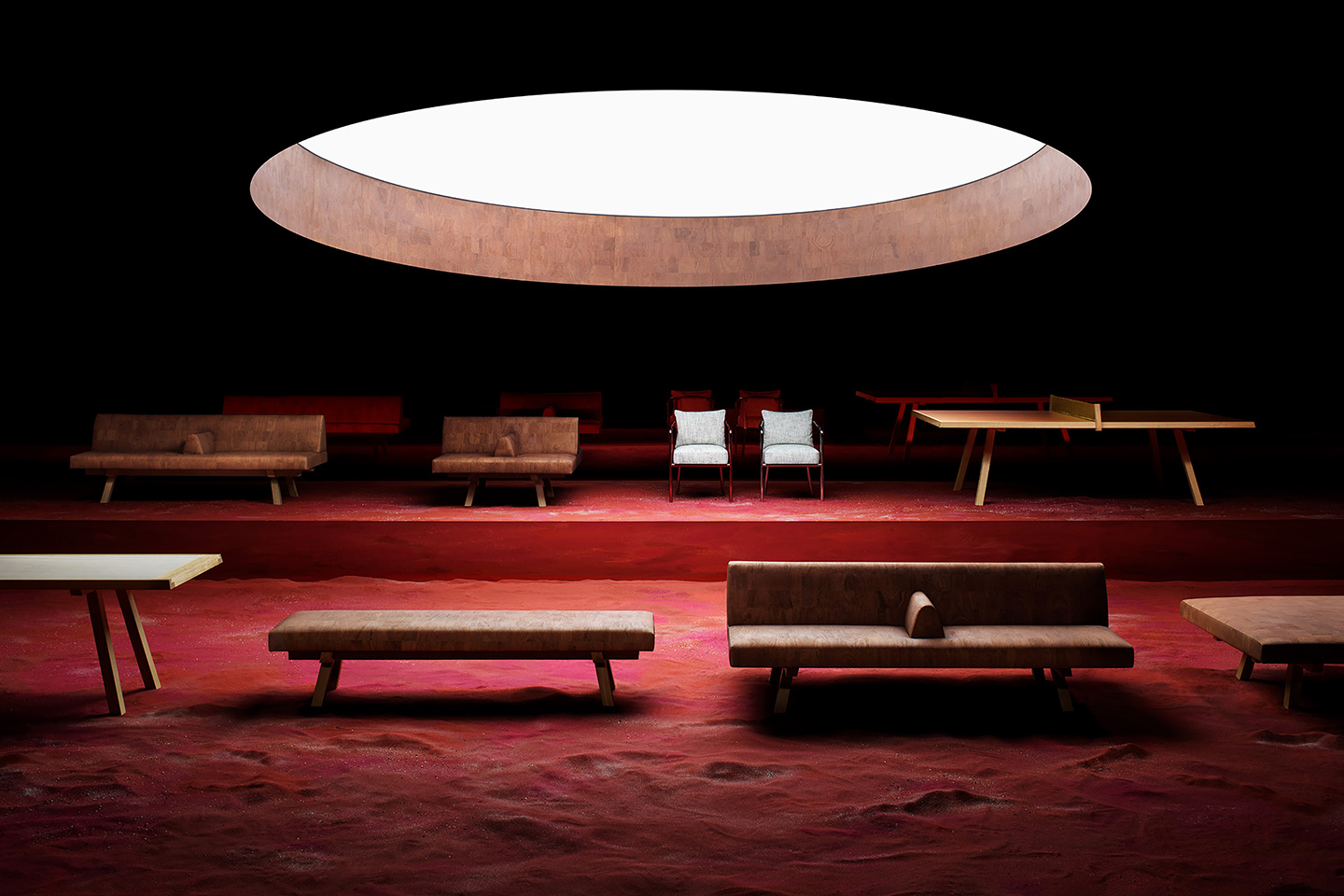
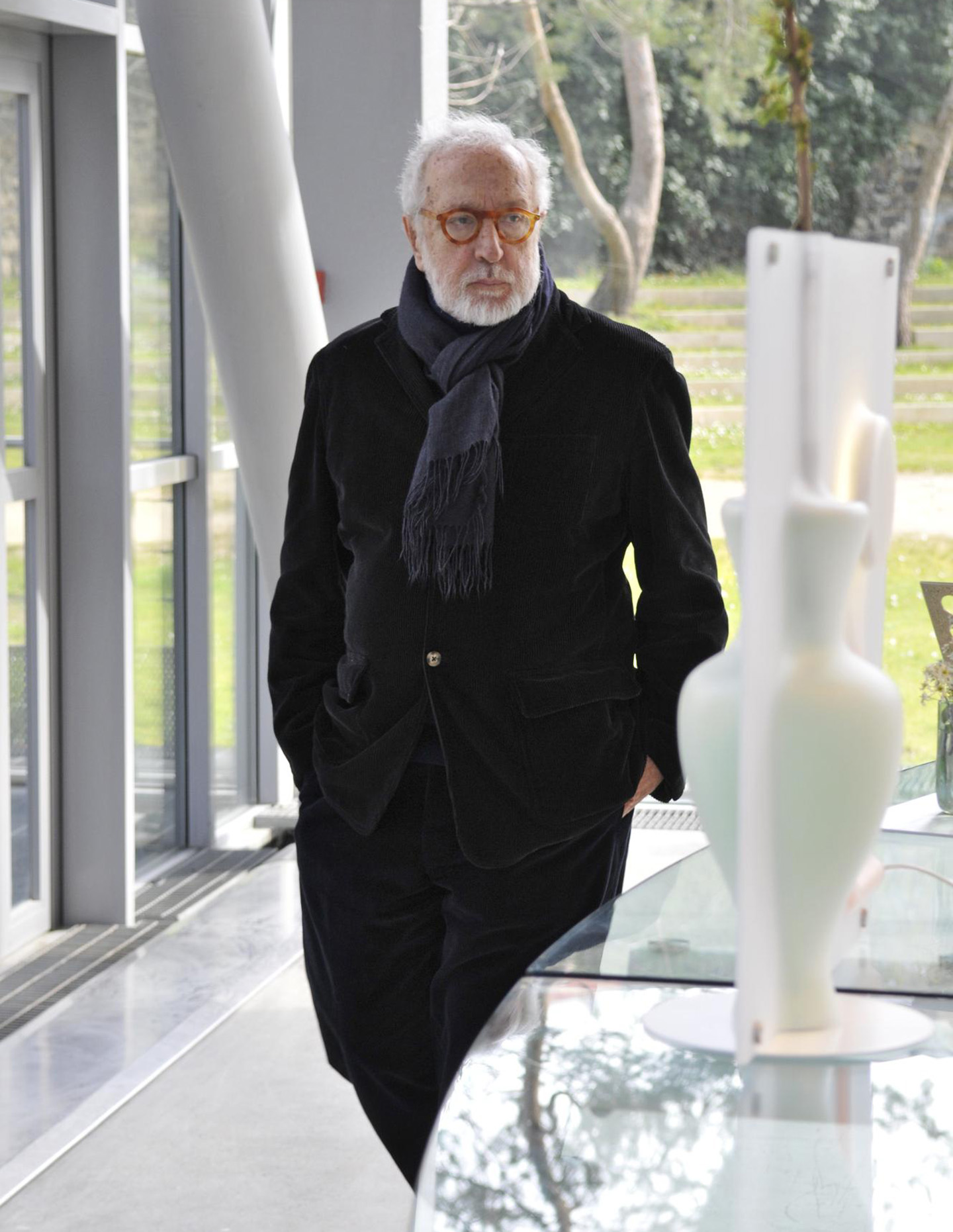
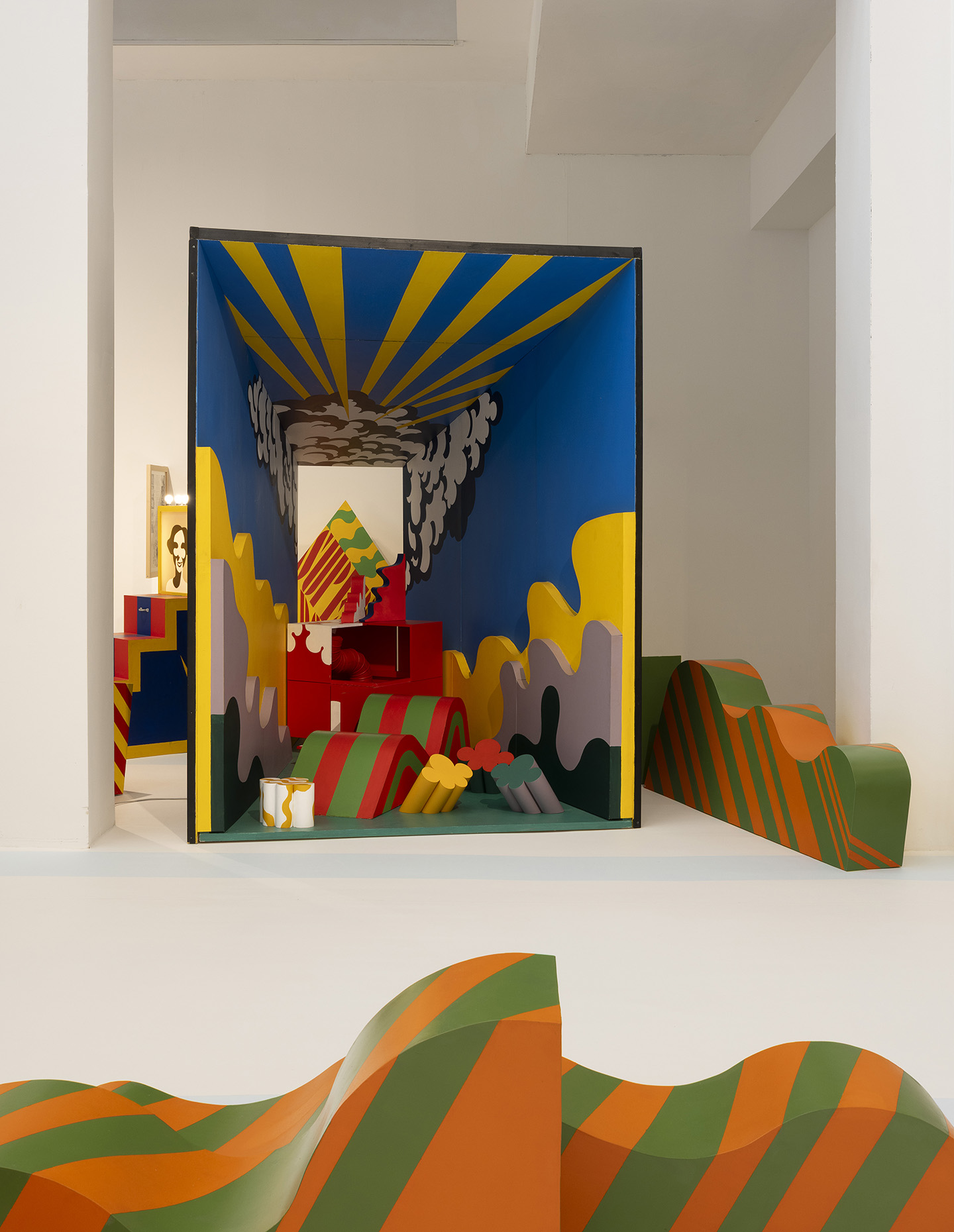
Triennale Milano and Fondation Cartier will present Andrea Branzi by Toyo Ito: Continuous Present, a major monographic exhibition dedicated to the influential Italian designer. Conceived by Toyo Ito, it will trace Branzi’s career from radical experiments with Archizoom to later theoretical and anthropological work. Featuring over 400 works, the exhibition will explore themes of ecology, fragility and hybridity through a fluid, immersive display. Anchored by key projects such as No-Stop City, it will reflect Branzi’s philosophy of a ‘continuous present,’ presenting design as an evolving, cross-disciplinary practice.
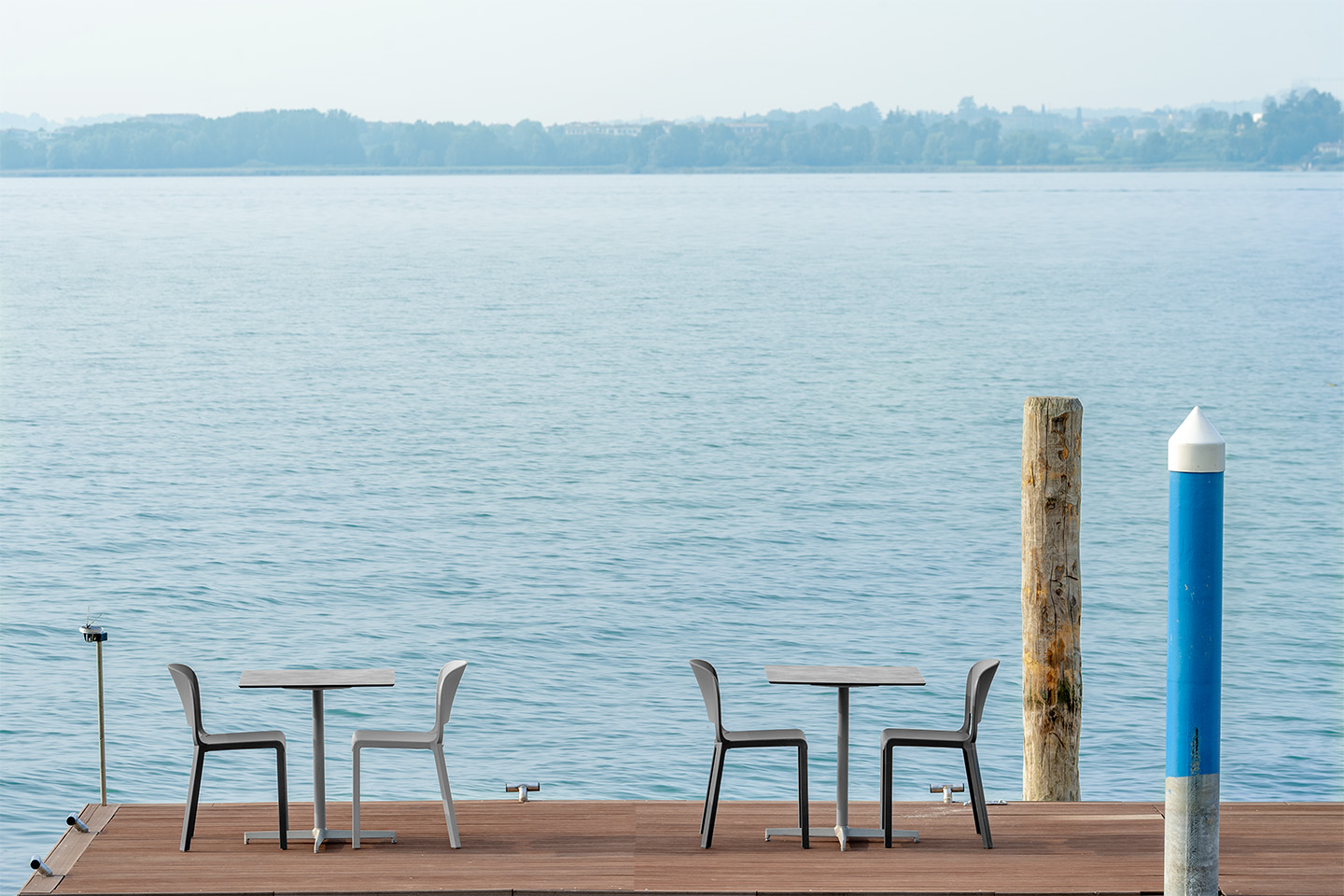
2026 marks a special anniversary for Pedrali — ten years of Dome collection, designed by Odo Fioravanti and first presented at Salone del Mobile.Milano 2016. Dome is a family of seating that reinterprets the celebrated tradition of bistro chairs through a contemporary lens, combining curved silhouettes with the generous forms of domes that characterise many landmark buildings around the world.
Established & Sons returns to Milan with a Salone del Mobile booth that balances heritage and new work. Alongside reinterpreted icons, the brand presents designs aimed at contemporary living, combining refined aesthetics, experimental materials and a bold visual identity.
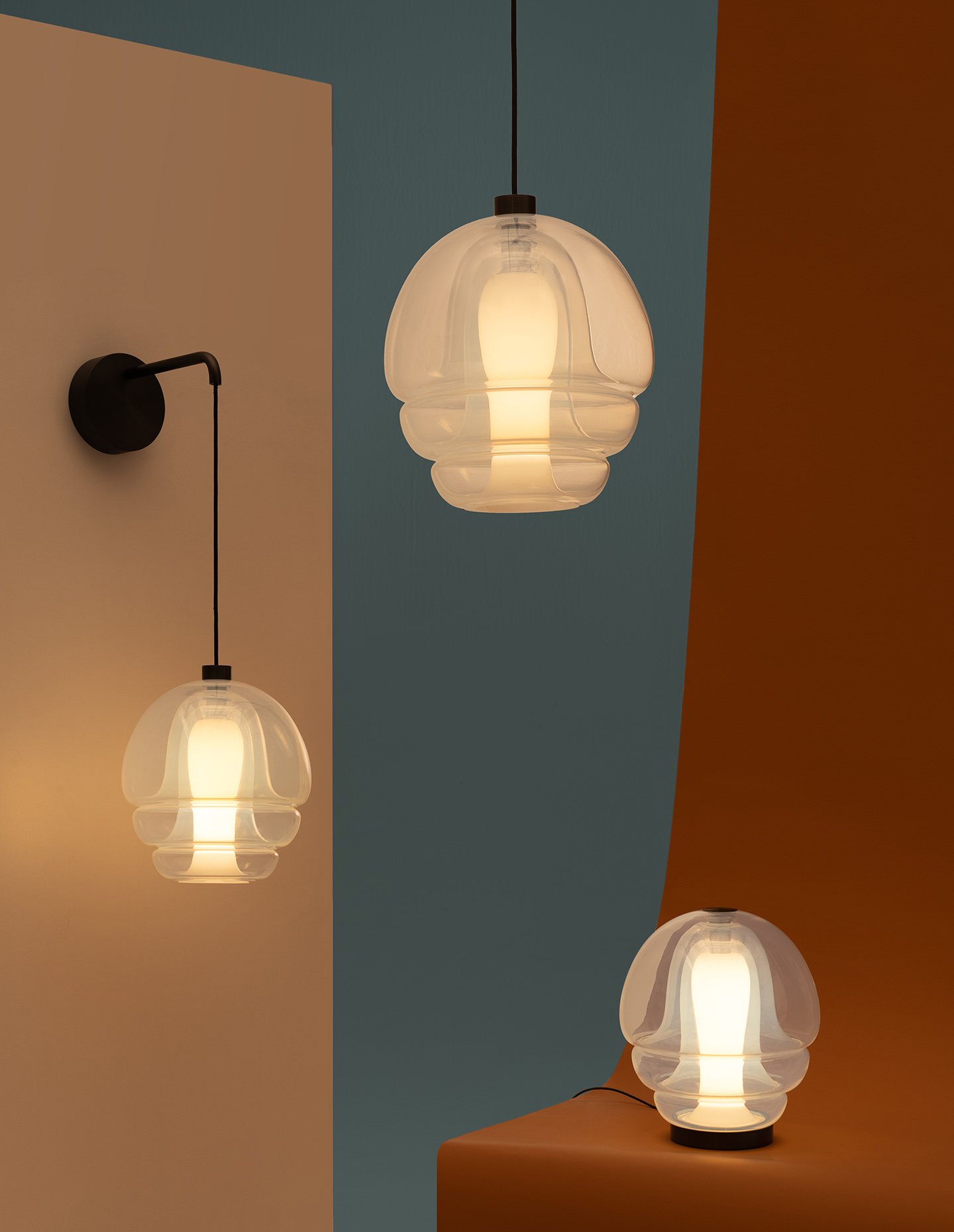
Expanding its collaboration with Carlo Nason, the Medusa lamp revisits 1960s Murano glassmaking through layered, mouth-blown opaline forms inspired by jellyfish, available in suspension, table and wall versions. The collection reflects ongoing partnerships with Raw Edges, Sebastian Wrong and Nao Tamura, alongside works by Ronan & Erwan Bouroullec, and new contributions from Luiza Guidi and Nathan Martell.
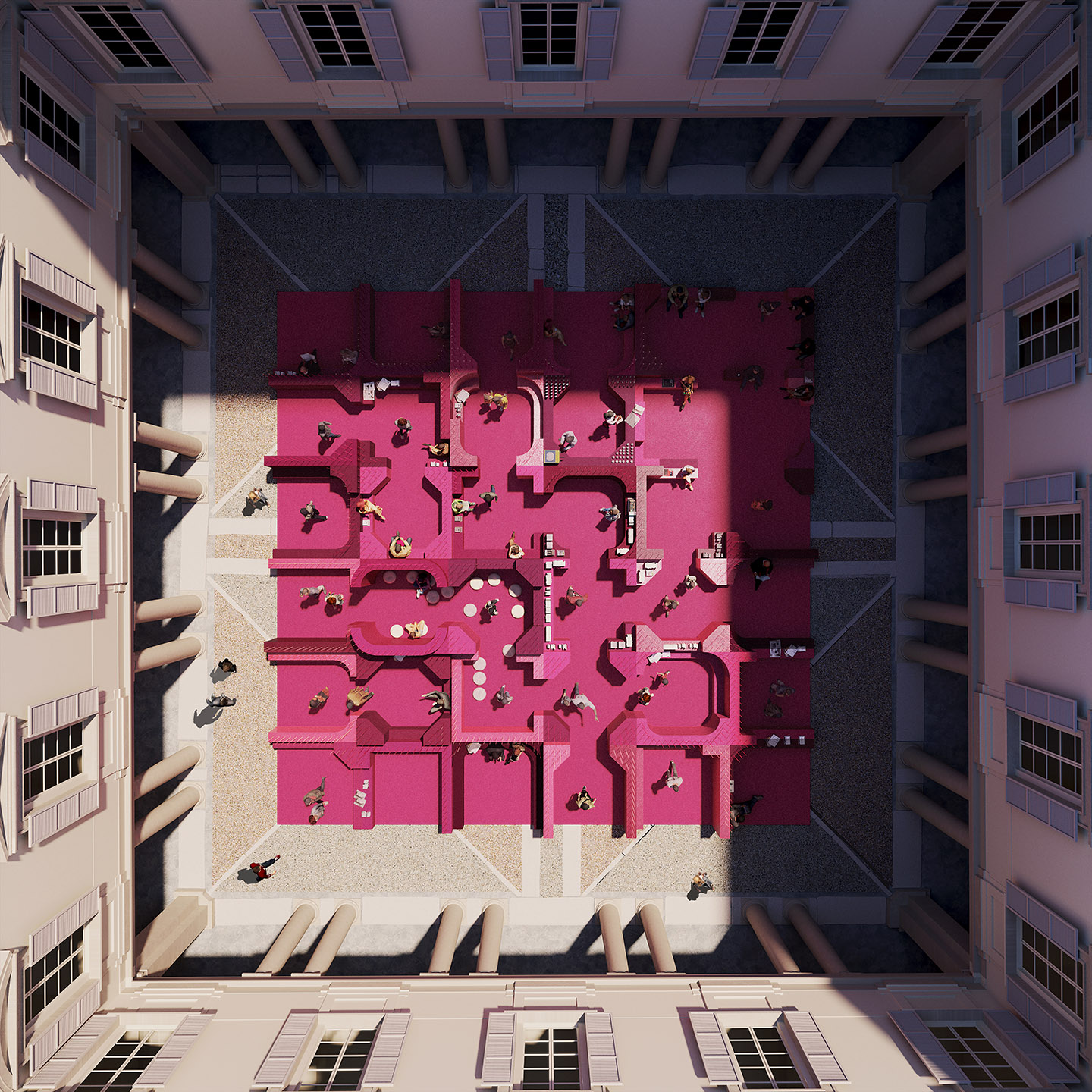
Metamorphosis in Motion, a site-specific installation by Lina Ghotmeh, will welcome visitors to MoscaPartners Variations 2026 at Palazzo Litta during Milan Design Week. Conceived as the exhibition’s centrepiece, it explores metamorphosis as both spatial and perceptual transformation. Drawing on the courtyard’s history, the project uses curved geometries and a sequential path to choreograph movement and engagement. Visitors become part of a dynamic environment that reinterprets heritage through light, time and interaction, transforming the courtyard into a living architectural experience.
“We reflected on the courtyard’s role as both passage and representation — an intermediate realm designed to guide movement and intensify experience.” says Lina Ghotmeh. “The installation is a playful labyrinth that activates the courtyard without altering its structure, introducing a contemporary layer that offers visitors a silent pause within the intensity of the Design Week experience. Metamorphosis emerges through use.”
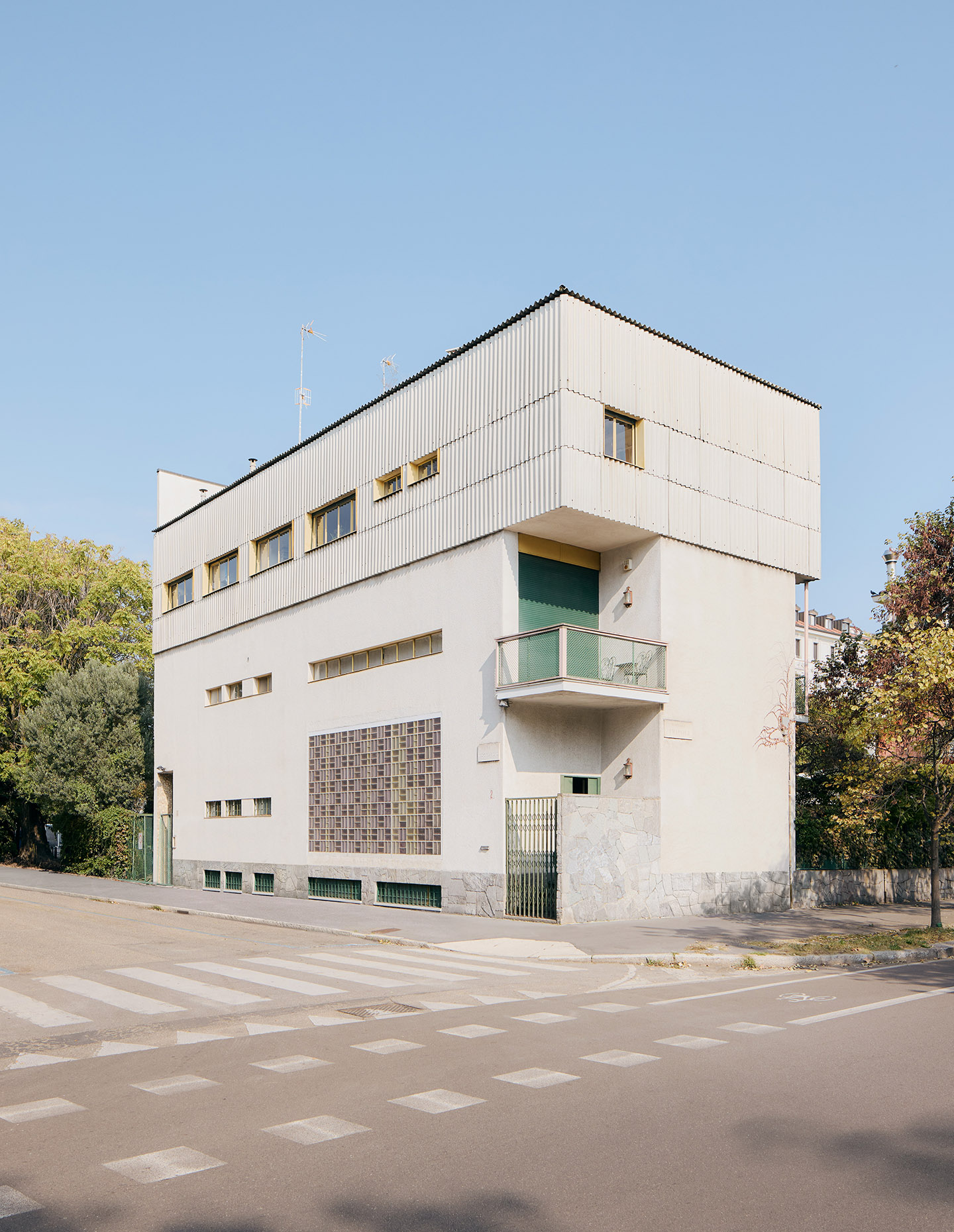
At Alcova Milano 2026, spanning Villa Pestarini and the Baggio Military Hospital, a broad mix of international designers engages with contrasting architectural contexts through site-specific installations and material research. Among them, Japanese designer Kenta Hasegawa presents a practice grounded in precision and restraint, exploring the expressive potential of form and fabrication within highly resolved objects.
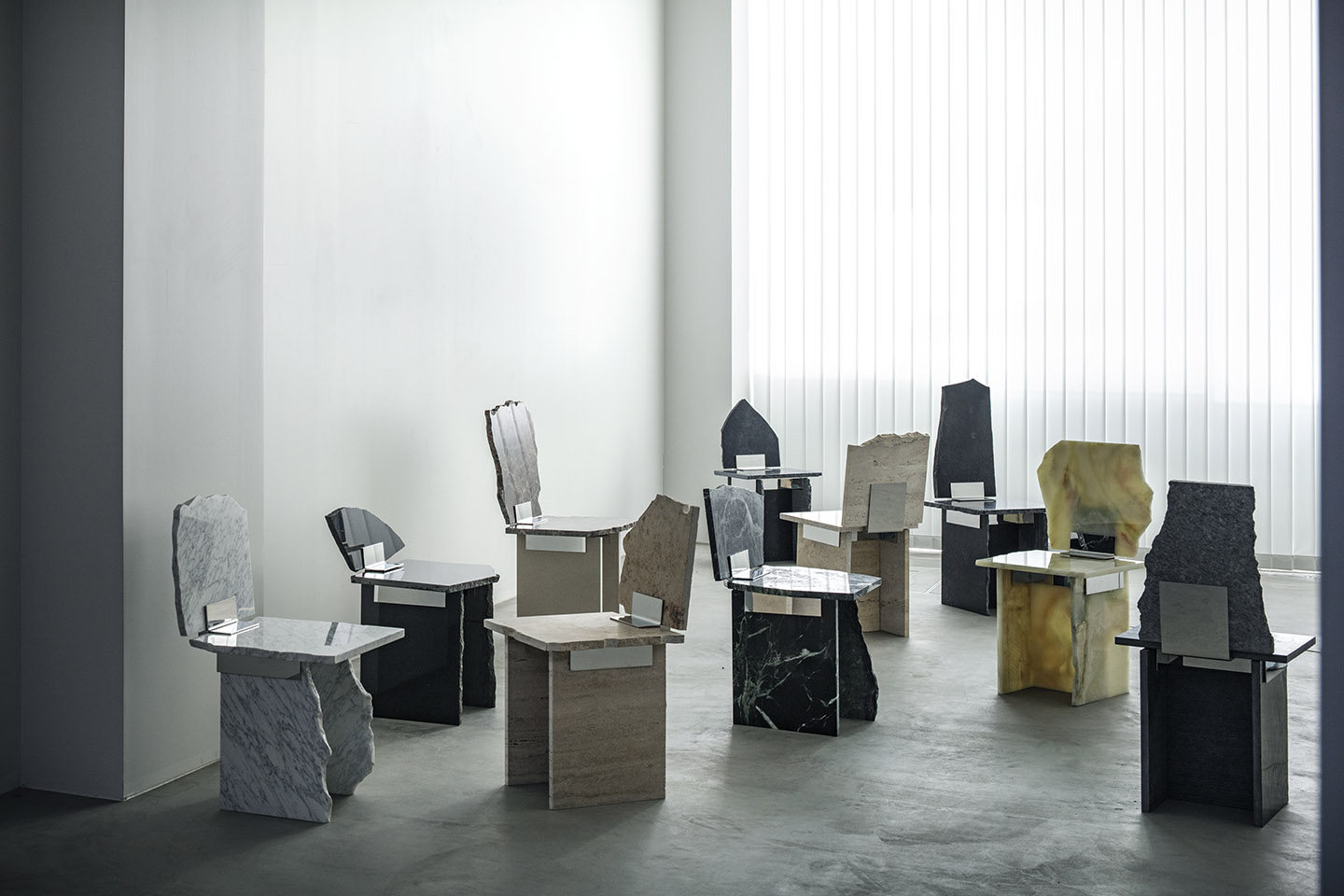
Italian designer Luigi Fiano, working at the intersection of craft and contemporary design, contributes a body of work that foregrounds process, tactility, and material depth. Together, their projects reflect Alcova’s emphasis on experimentation, where diverse cultural perspectives and methodologies shape new approaches to furniture and object design.
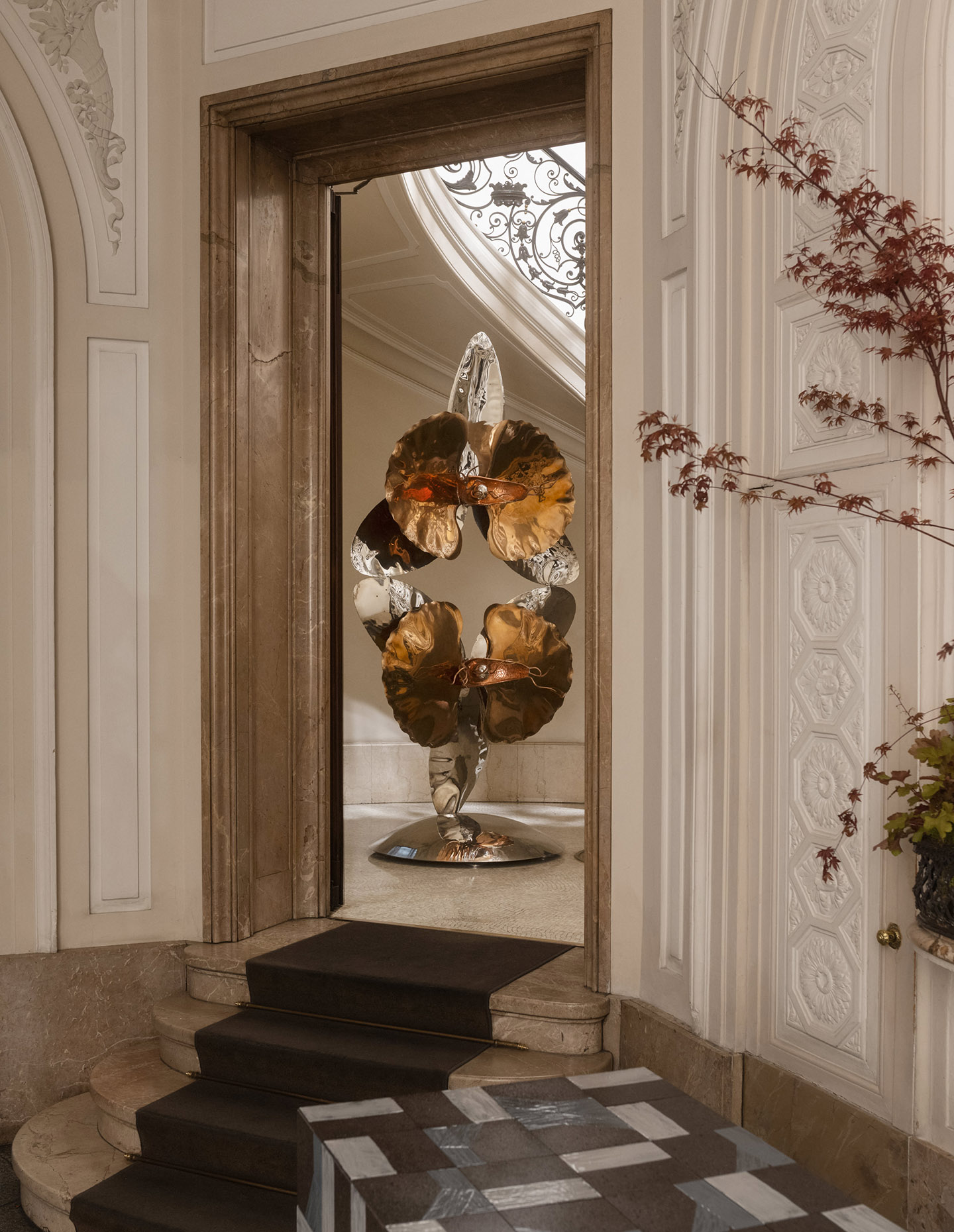
L’Appartamento by Artemest will present a celebration of ‘Italian Grandeur’ in the capital of design this year. It’s the fourth edition of the installation, returning to the Palazzo Donizetti with a tribute to “the enduring magnetism of Italy’s artistic legacy, architectural language and exceptional craftsmanship.” The inspiration is drawn from the idea of the Grand Tour, focusing in particular on Venice, Florence, Rome, Naples and Palermo. Meanwhile, five design studios are involved: Sasha Adler Design, March and White Design, Rockwell Group, Charlap Hyman & Herrero and Urjowan Alsharif Interiors.
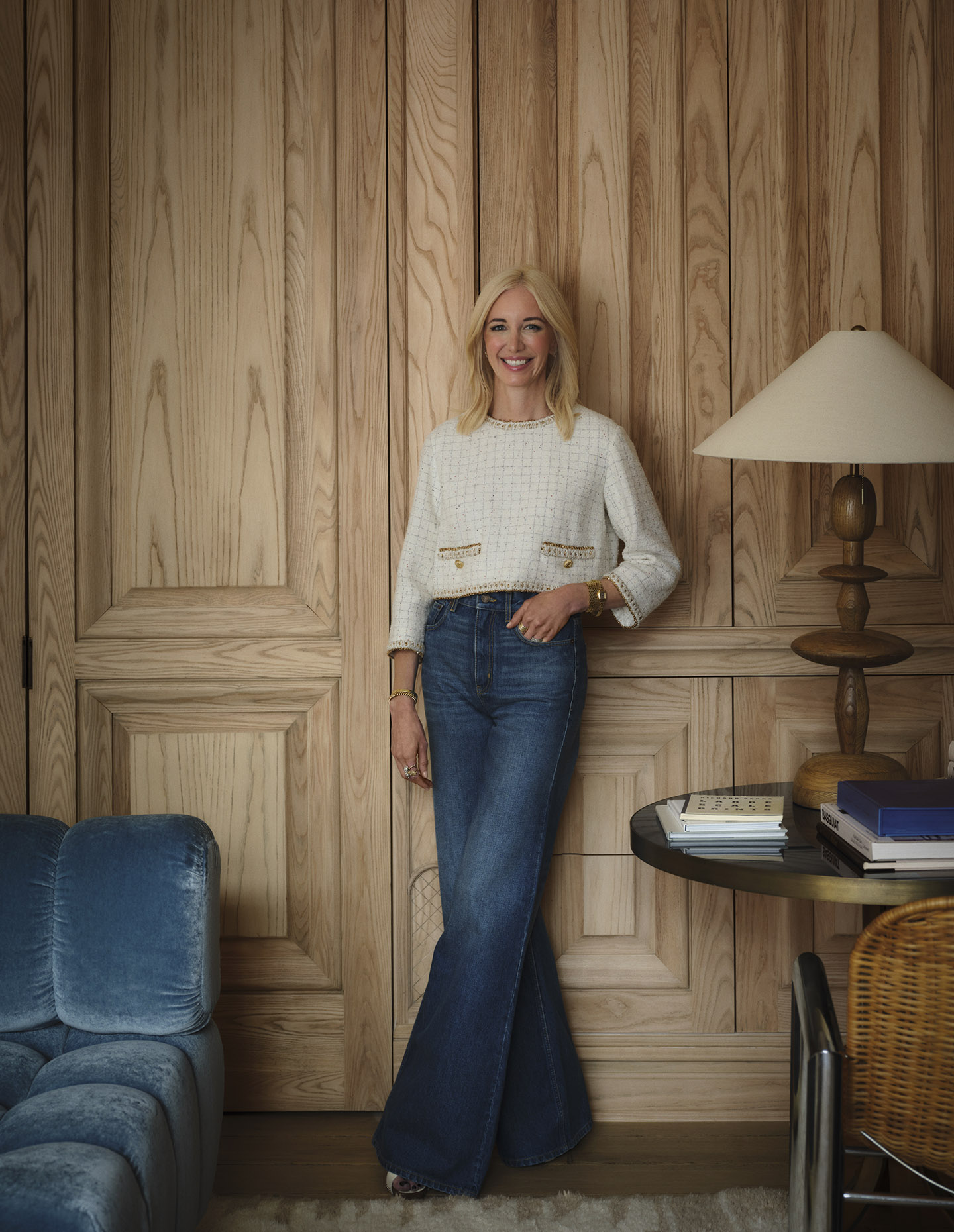
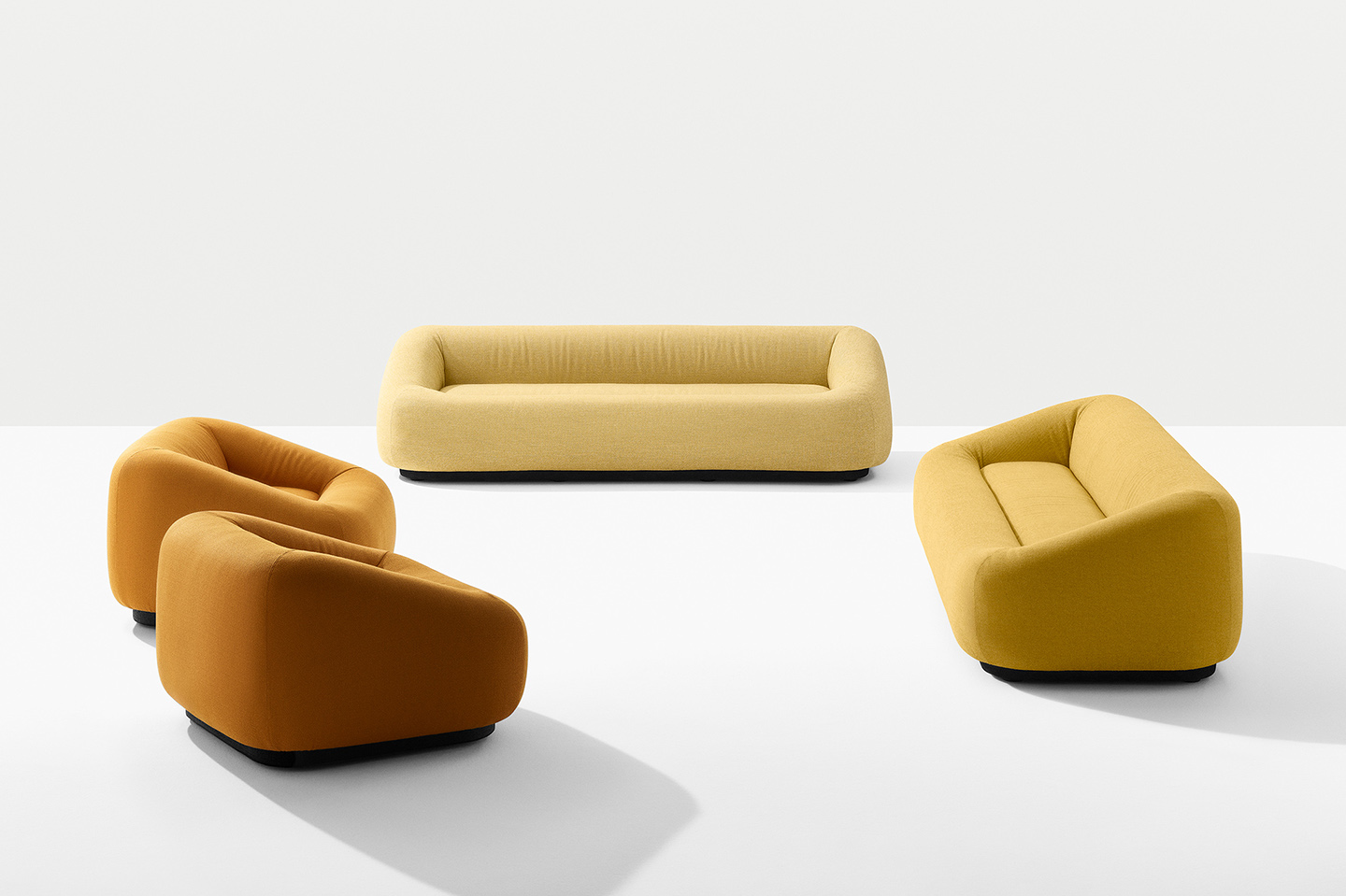
Designed by Jean-Marie Massaud in 2026, Aom — presented by Arper — will reinterpret contemporary seating through subtraction. It’s all about reducing elements to enhance quality, flexibility and sustainability. Comprising sofas and armchairs, it will use just two interlocking components: an EPP structure and recyclable Breathair® padding, eliminating polyurethane. Lightweight and adaptable, Aom will suit diverse indoor and outdoor settings, enabling easy movement, reconfiguration and long-term material responsibility.
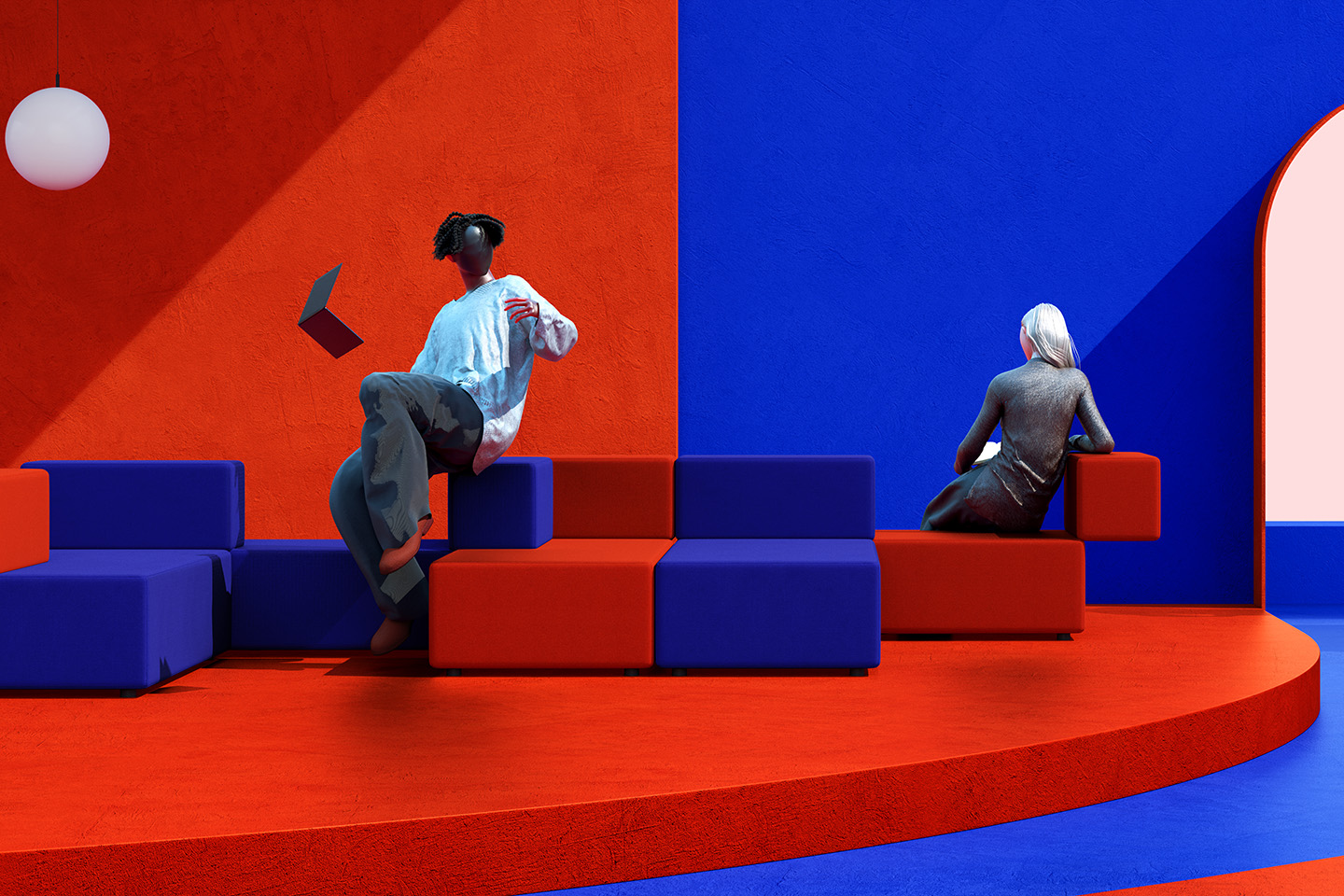
Japanese brand NII will debut at Salone del Mobile 2026, presenting a vision of work as a shared, evolving experience. Developed within ITOKI, the brand will introduce four product families by international designers, exploring adaptable, ‘ingenious’ systems for workplaces and public spaces. Under Hirotaka Tako’s direction, NII will translate research-driven design into flexible environments that foster collaboration, interaction and movement.
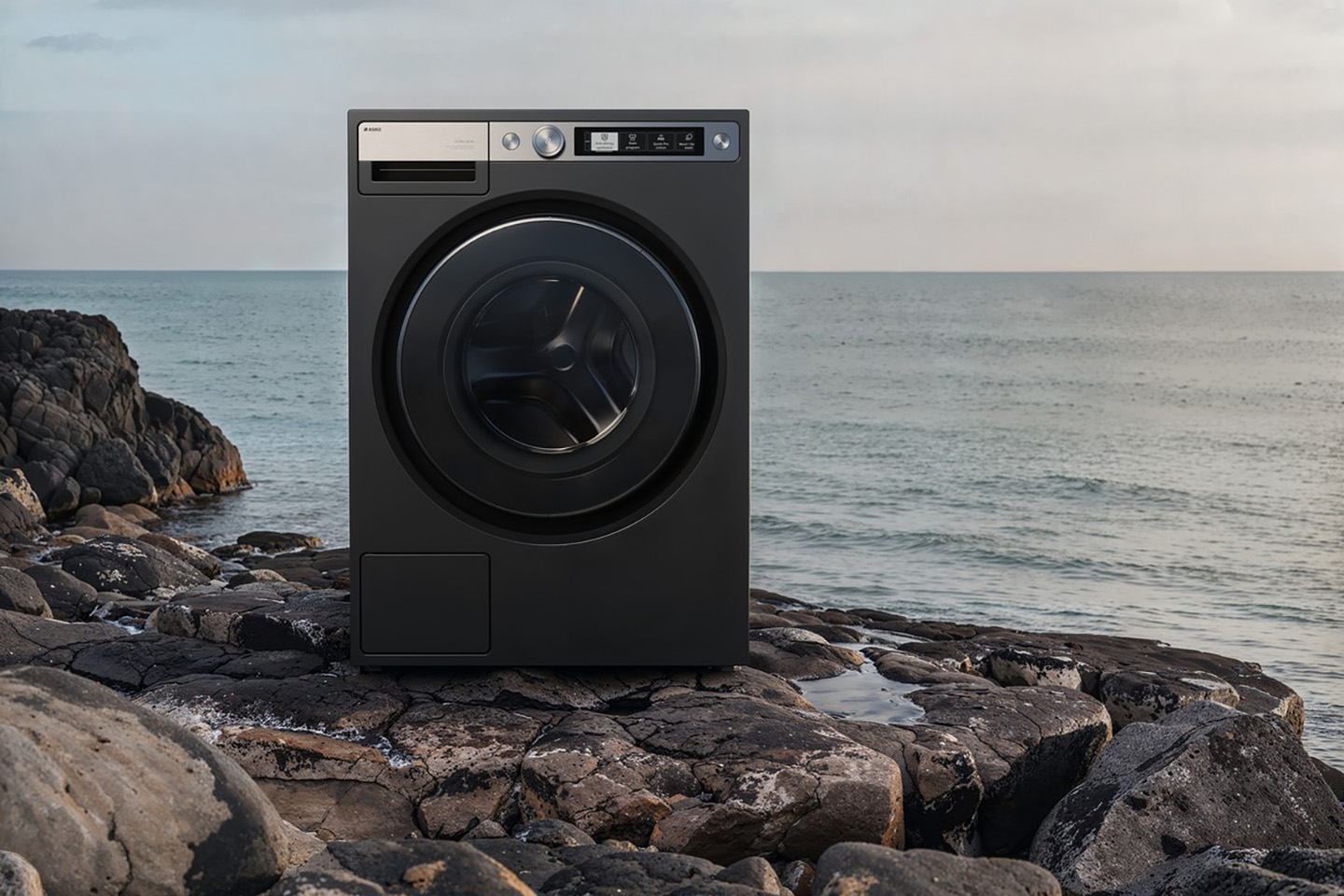
Art, Inside Out is a pop-up showroom presented by Draga & Aurel in collaboration with ASKO, celebrating the intersection of design, craft and technology. The Como-based studio brings its multidisciplinary approach to transform appliances into sculptural objects, blending precision engineering with artistic expression. Through this sensory installation, everyday domestic tools are reimagined, dissolving boundaries between function and emotion while exploring how art can embed memory, meaning and identity within the language of the home.
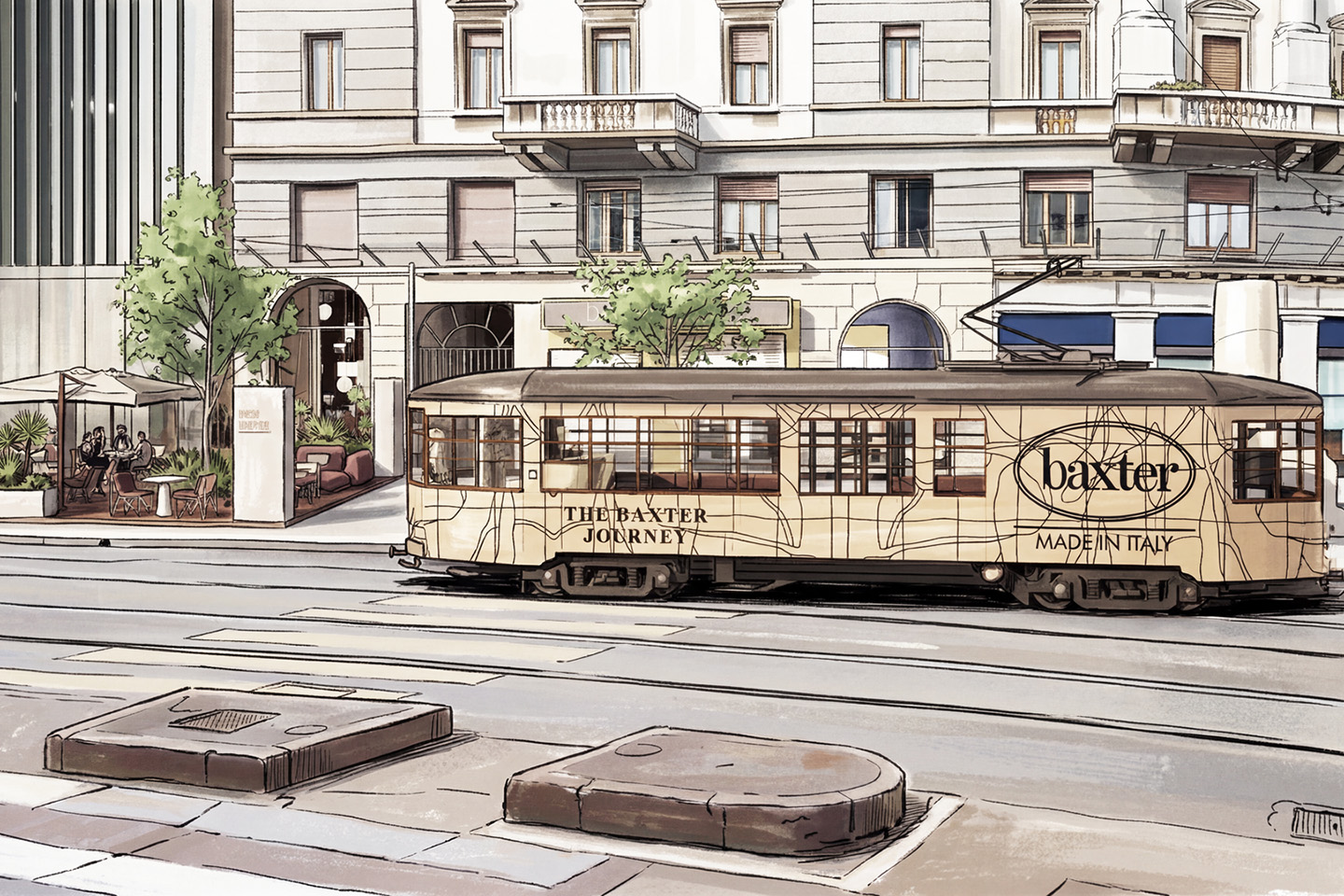
Baxter’s tram, says the Italian brand, “moves slowly through the streets of Milan, capturing the attention of passers-by. The intermittent flashes of signs, lit shop windows and headlights chasing each other along the tracks are reflected on the windows. Completely bespoke, instantly recognisable, the Baxter tram stands out as a distinctive object in the urban landscape of Design Week.”
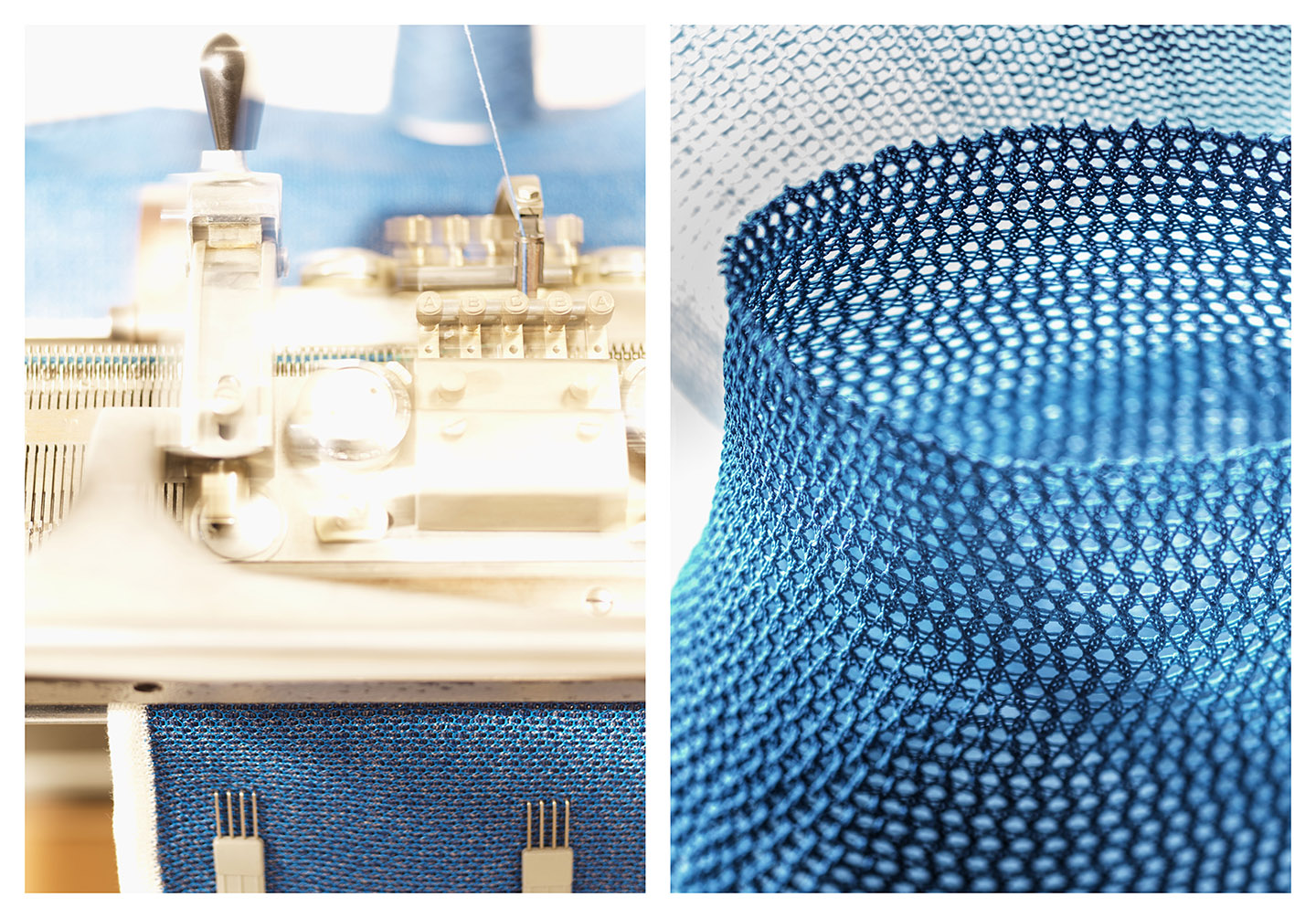
Foscarini will present experimental research at Spazio Monforte, exploring the interaction between light and 3D knitting. Moving beyond product development, the projects by Jozeph Forakis and Lorenzo Palmeri will investigate new materials, processes and textile-based forms, from volumetric knitting to fashion-derived constructions. Central to the research will be the idea of ‘soft tooling,’ where programmable looms enable variation, texture and luminous effects. Framed as open-ended exploration, the installation will prioritise freedom and serendipity, expanding the expressive language of lighting as well as establishing new possibilities for future design applications.
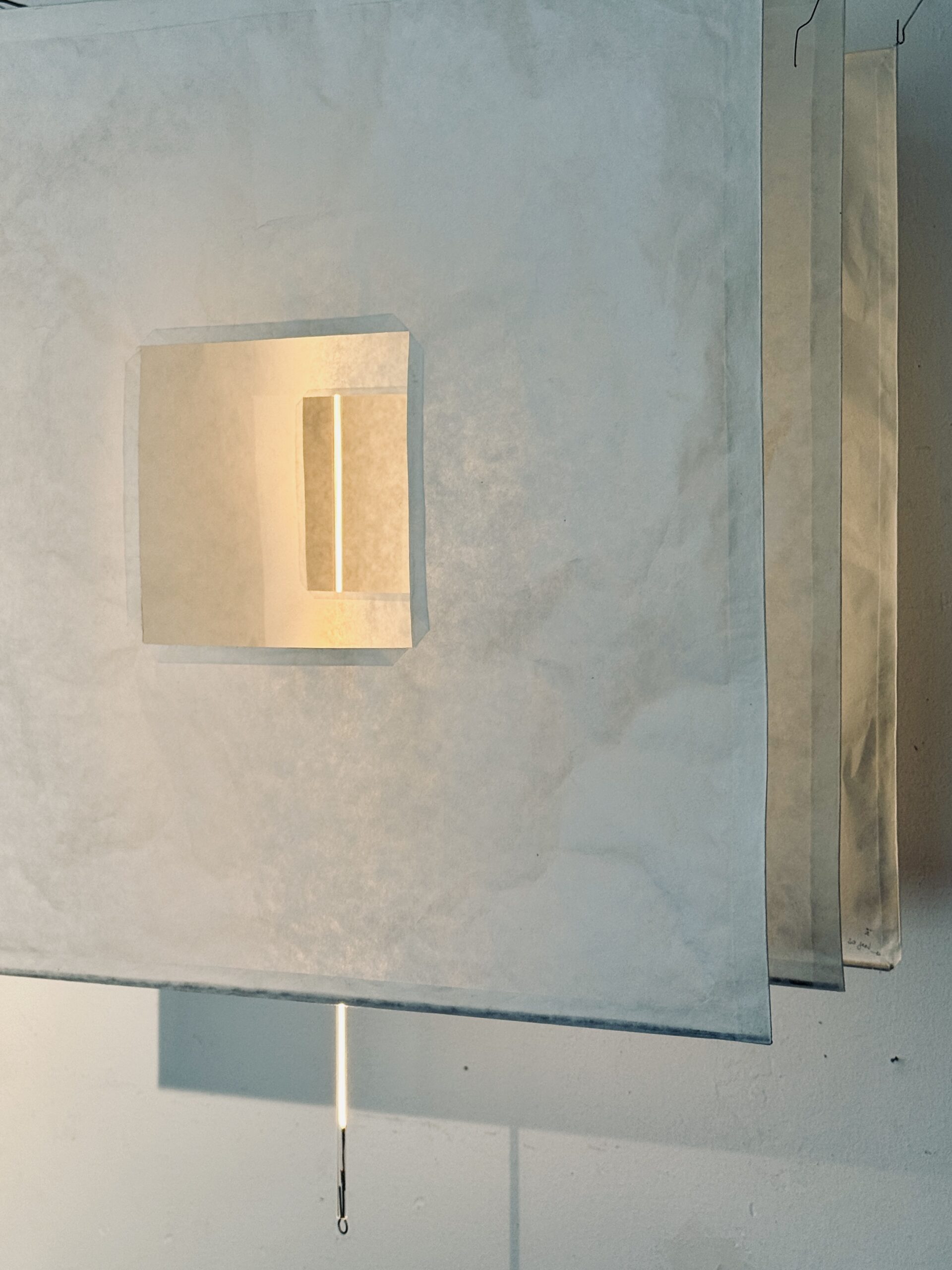
At Fuorisalone, Ingo Maurer will present Here we YaYaHo again, a new chapter in the YaYaHo lighting system that has been redefining modular, low-voltage design since 1984. Inspired by ingenuity in Haiti, YaYaHo is a flexible, interpretative system of mirrors, shades and lamps on current-carrying wires. Upgraded with direct current and new geometric forms in Japanese paper, it will offer precise light control, sculptural interventions and spatial versatility, evolving into a visually striking composition while maintaining its open, pioneering spirit.