
In 2025, the Habitus House of the Year program – brought to you again by Major Partner Winnings and Supporting Partner Rogerseller – found itself tackling a major faultline for residential design in our region. More particularly, this was a thematic tension specific and highly relevant to the Australian home. It was all about designing for compact suburban and inner city urban sites on one hand, and designing with natural hazards such as bushfires on the other. In 2026, one half of that equation returns – the urban and suburban question – but this time it’s in dialogue with something different.
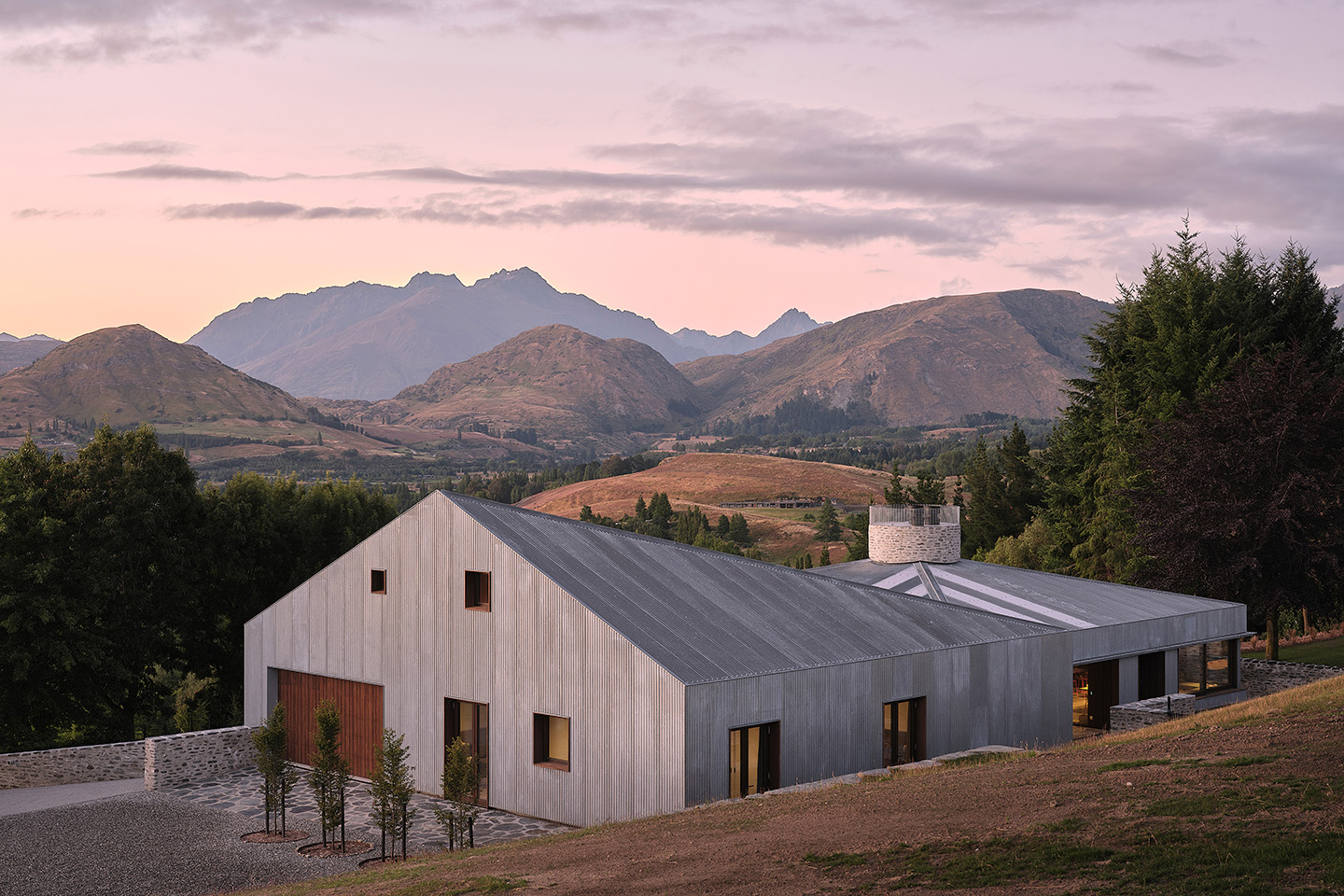
The new, standout factor from the shortlist is the question of landscape in spectacular natural, even wilderness, settings. A number of shortlisted projects have brought this dimension to the Habitus editorial team’s awareness, a reminder of what makes our program unique in the first place. Habitus House of the Year is not by competition entry or invitation; it’s purely editorial selection, based on what we cover across Habitus print magazine and habitusliving across the year, as well as the networks across the design industry which we maintain with partners such as Winnings. What this process means is that we don’t apply any kind of preconceived, dogmatic criteria or thematic focus. Instead, we select the best projects and see what talking points arise when they sit together on a shortlist – and of course when that shortlist is discussed by an expert jury.
To return briefly to 2025, the clear thematic dialogue was best brought out in the discussion between Anthony Gill and Jason Gibney for an in-person podcast recording. This STORIESINDESIGN episode captured the conversation between two winners – unbeknownst to them at the time – on the topic of designing for sites highly variable sites. Gill’s winner is in Bondi, dealing with some of the usual constraints of urban and suburban settings in Australian cities, such as privacy and balanced indoor-outdoor space. Conversely, Gibney’s award-winner is set in a bushfire-prone setting of natural beauty several hours north of Sydney. The fascinating common ground was that, while these sites differ in so many ways, it’s the integrity of the design process and sensitivity to conextual response that really matters.
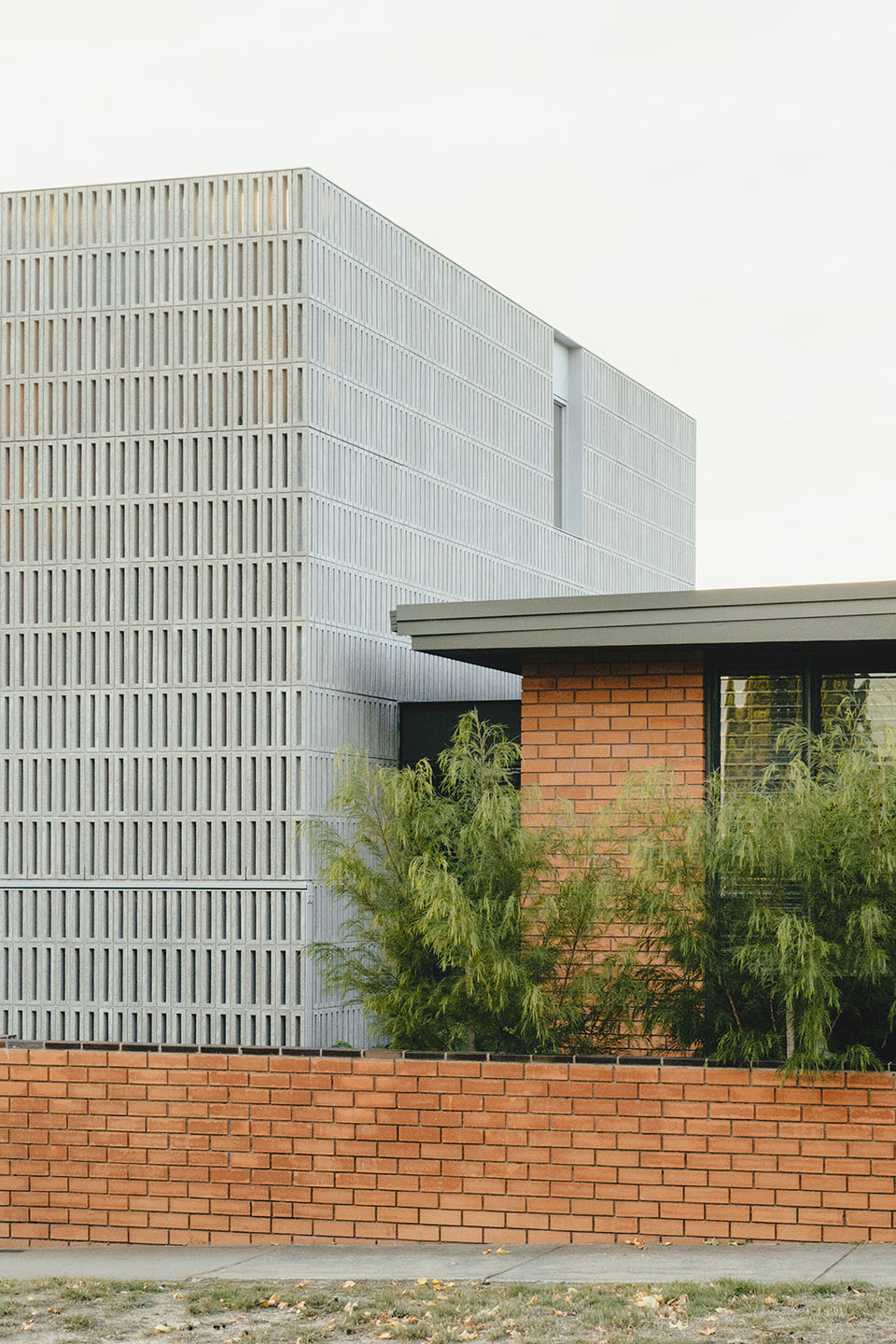
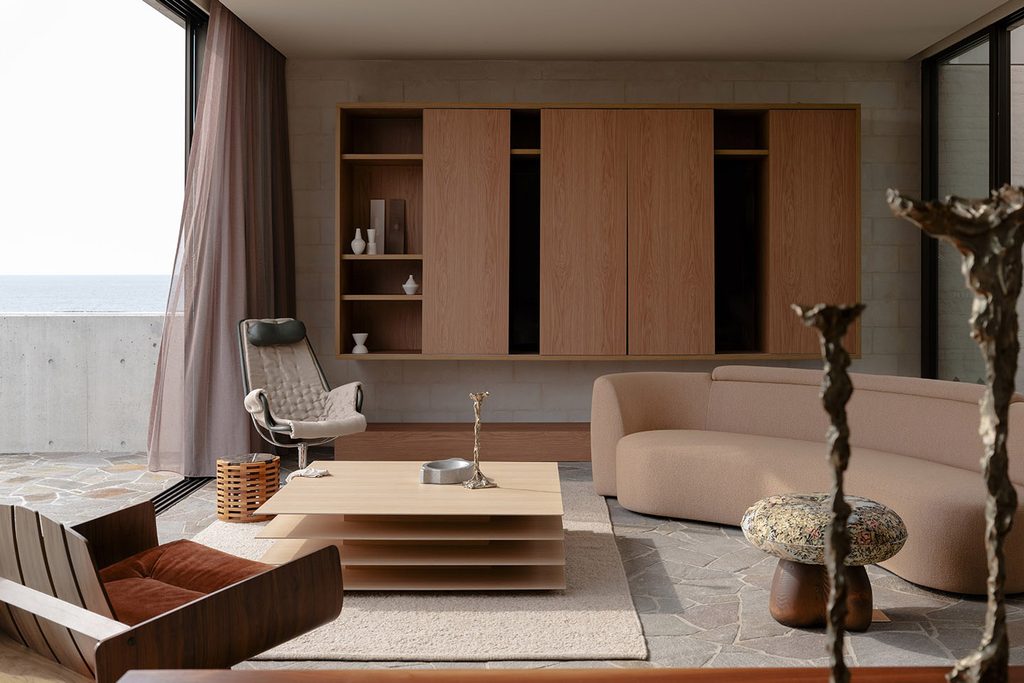
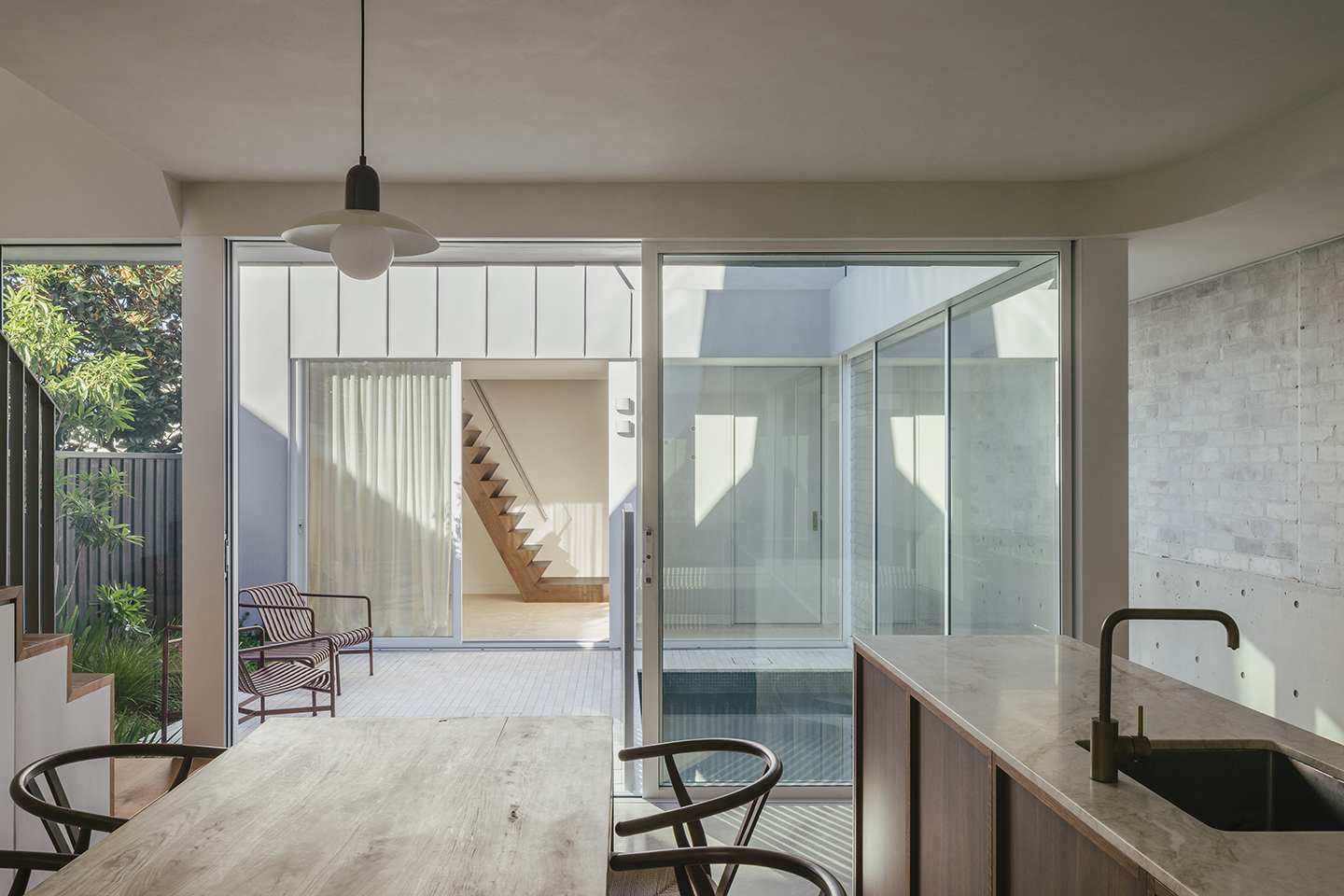
Naturally, this year’s shortlist continues the themes raised by Anthony Gill’s Clifton House – in context of high demand in major Australian cities combined with housing affordability crises, how could it not? Examples in 2026 include:
Zephyr House by Studio Prineas
Rozelle Cloche by Benn+Penna
Playhouse by Carter Williamson
Queenscliff House by Chenchow Little
House Freddie by Studio Bright
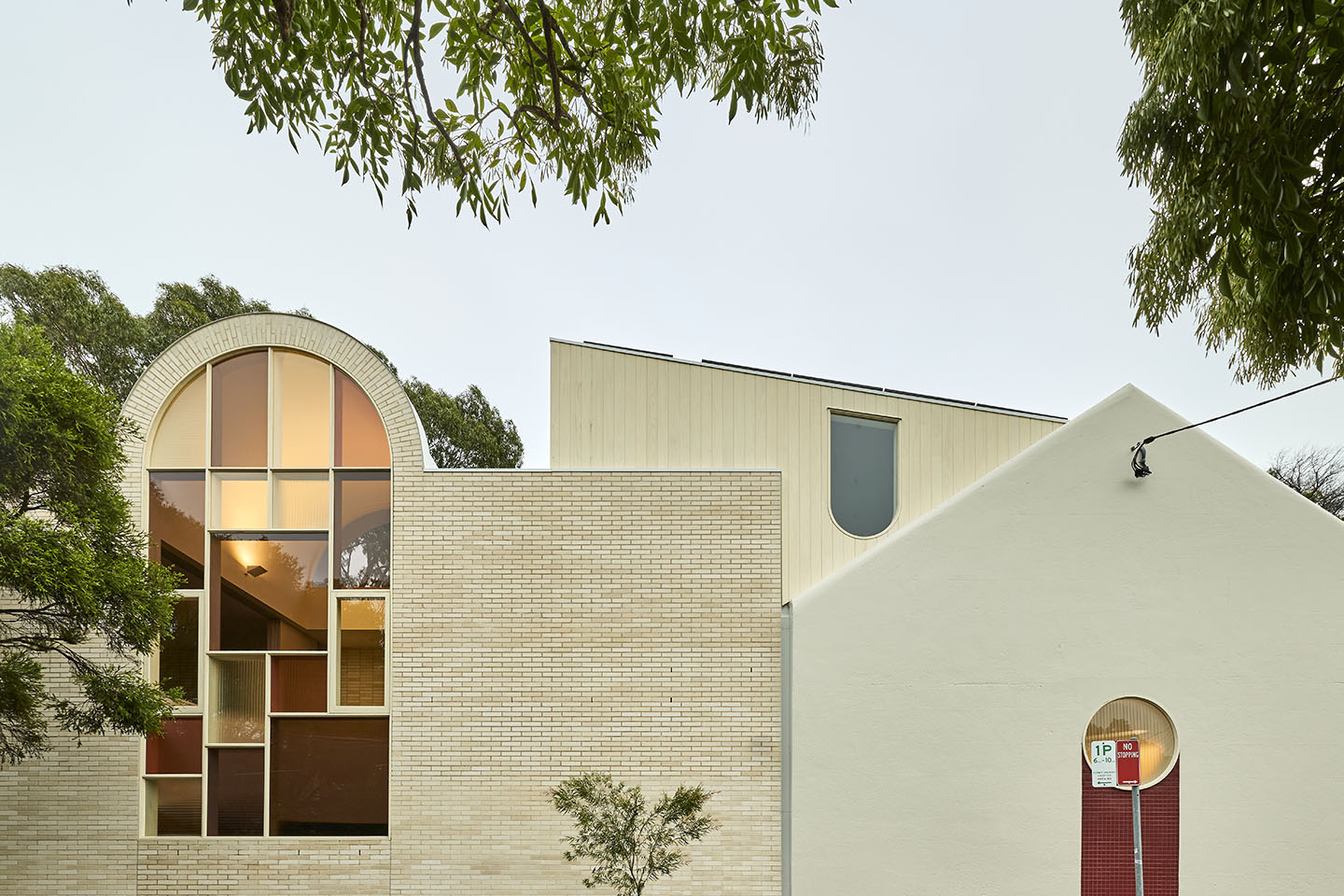
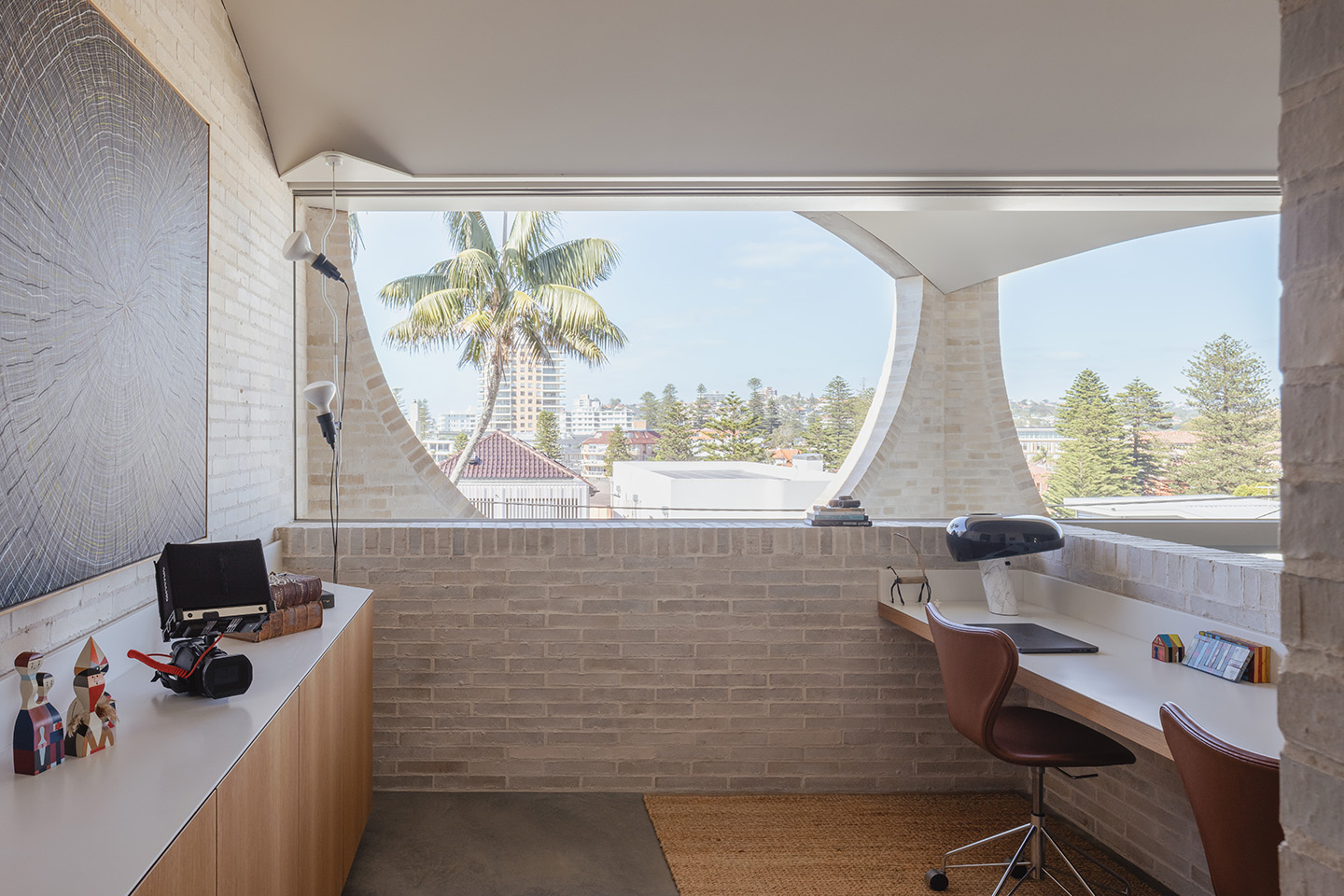
These are just some of the projects located in broadly urban settings, but what makes them stand out thematically is their common concerns of relatively compact sites, constraints around overlooking or shading, multigenerational design and the need to carefully craft soft thresholds on outdoor space. Of course, in these kinds of refined city settings, the appliances provided by Winnings and Rogerseller are a readymade fit.
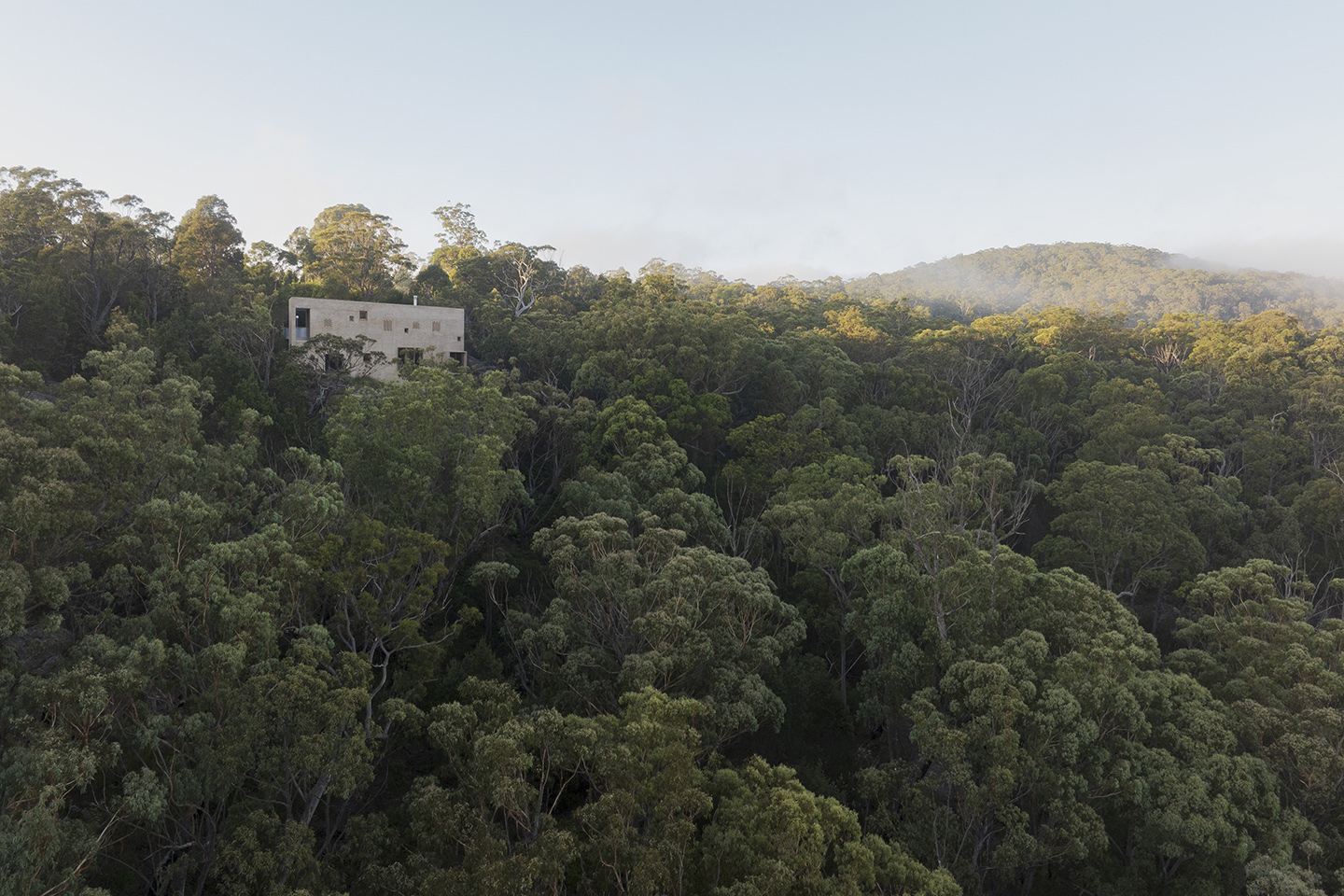
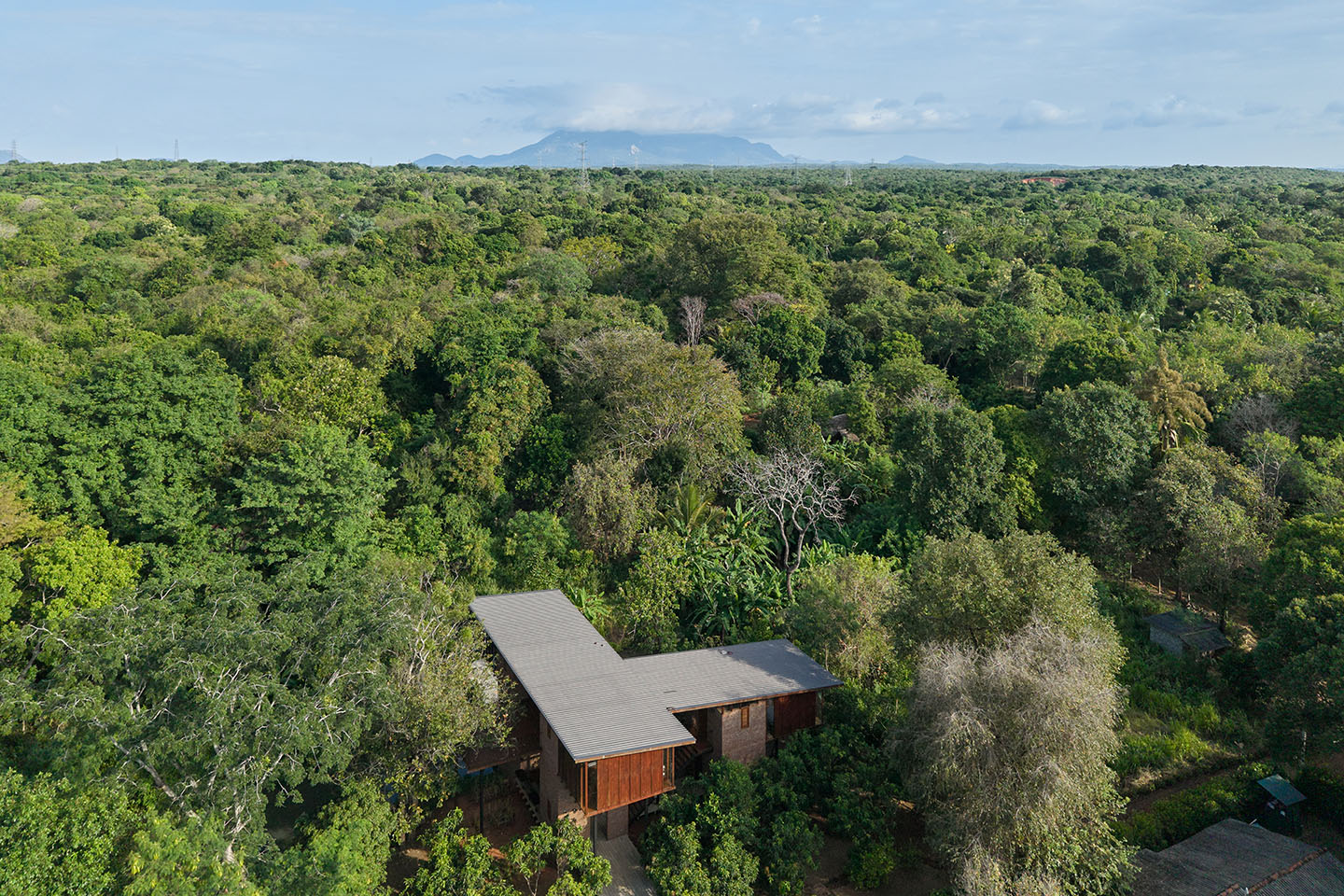
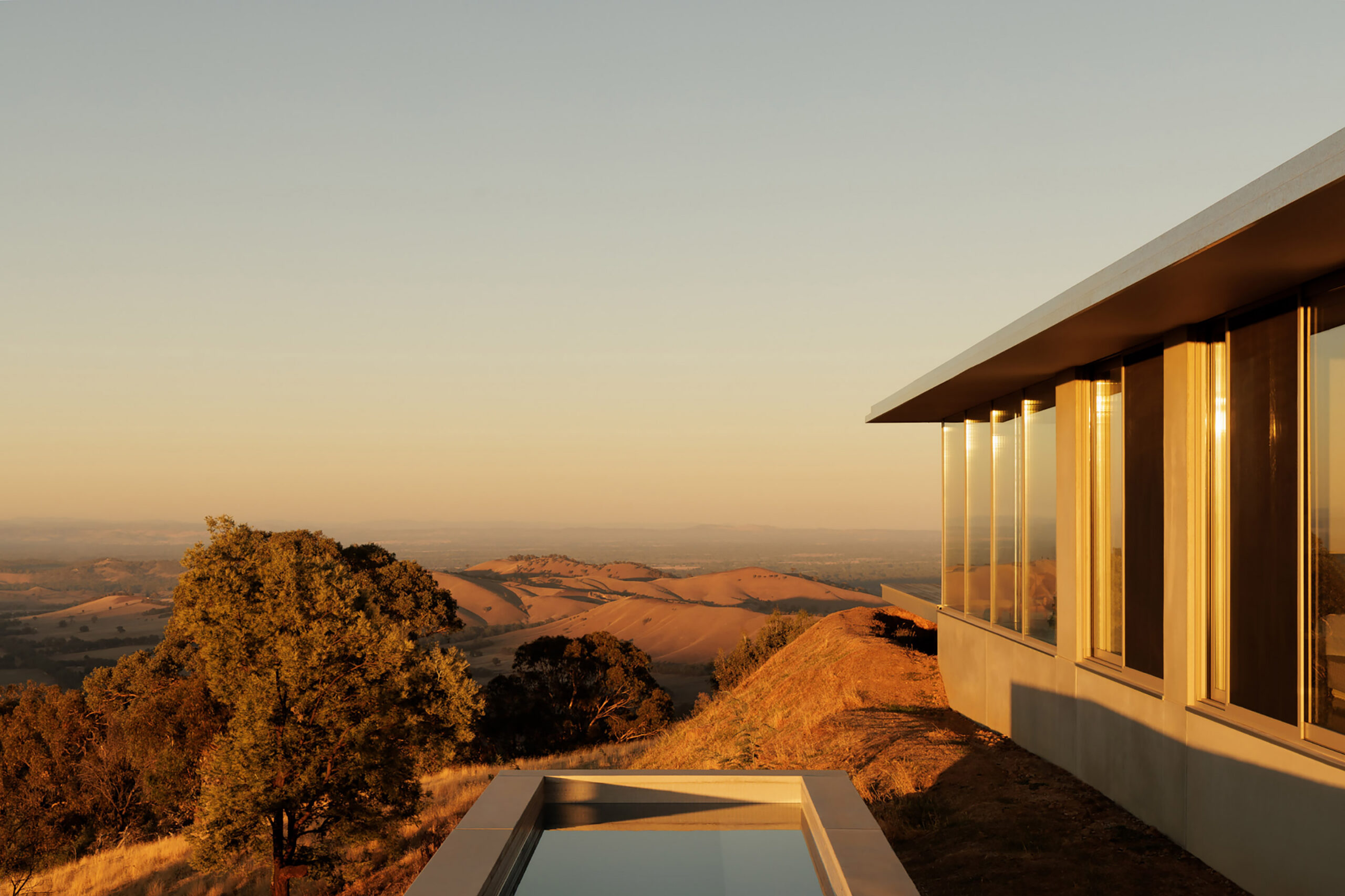
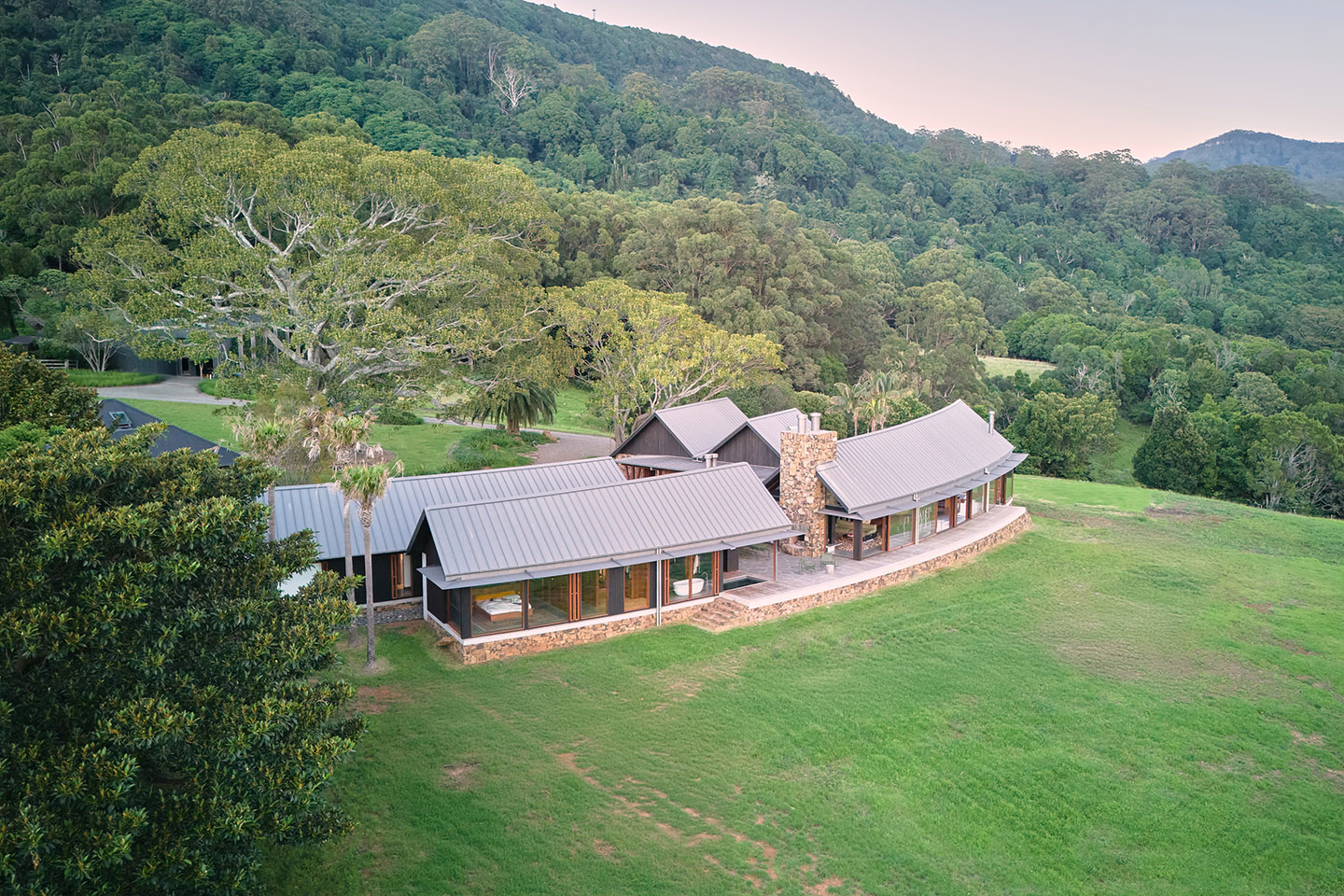
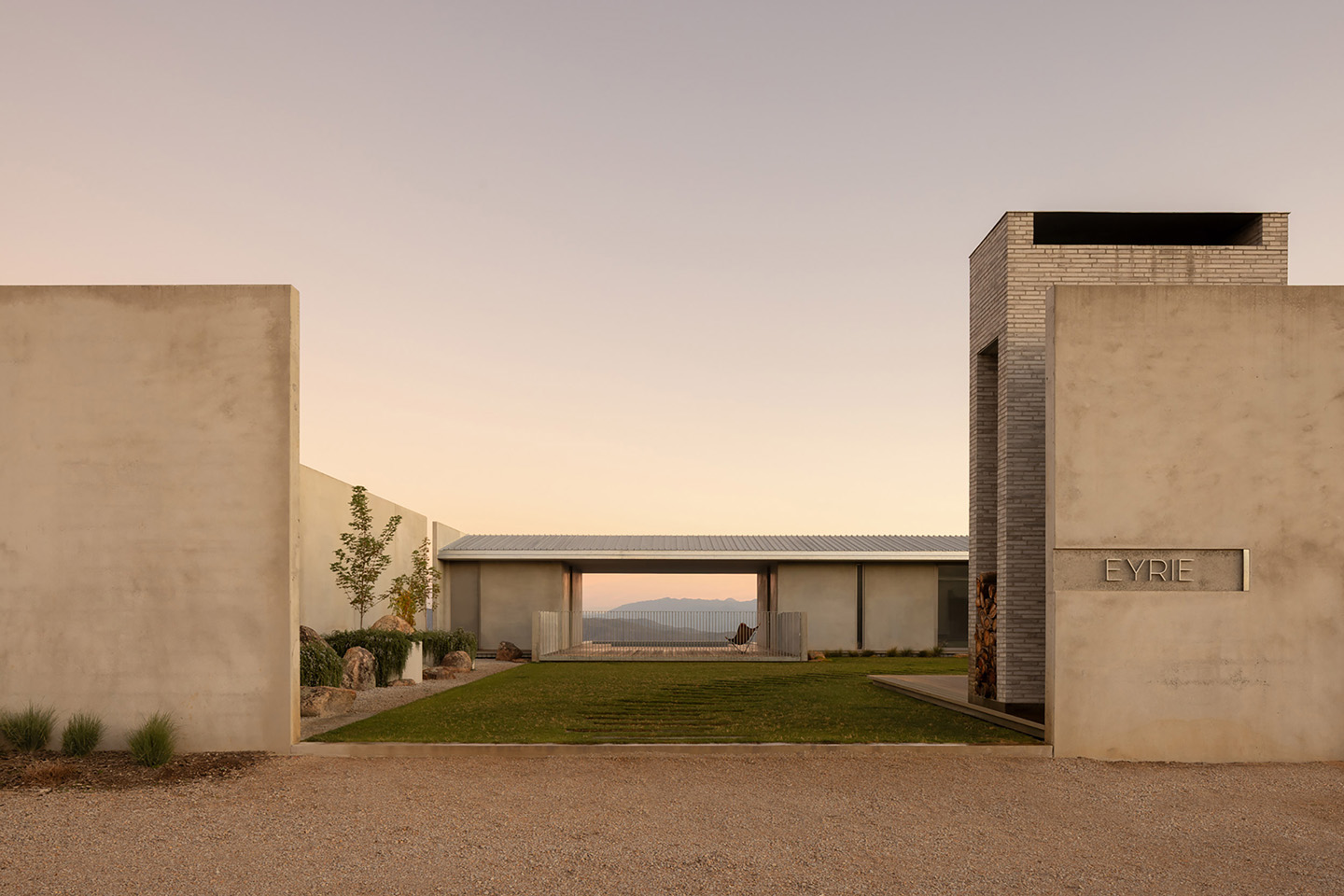
At the other end of the spectrum, we were struck this year by how many standout residential projects are set in spectacular natural landscapes. With few immediate parameters in terms of neighbours and privacy, these projects raise some very different design questions. How, for example, should the home be positioned on what is often a large site? How does its siting relate to topographical context, views and climatic conditions? With stunning views, it might seem – wrongly – like a designer could hardly get this part wrong. Examples from the 2026 shortlist that deal with these questions include:
Two Sheds by RTA Studio
EA House by Bokey Grant
Cathedral Ranges Retreat by studiofour
Coopers Shoot by Polly Harbison
Eyrie Residence by Schmölzer Architecture
The PLATFORM by Palinda Kannangara Architects
Saddleback Mountain House by Casey Brown
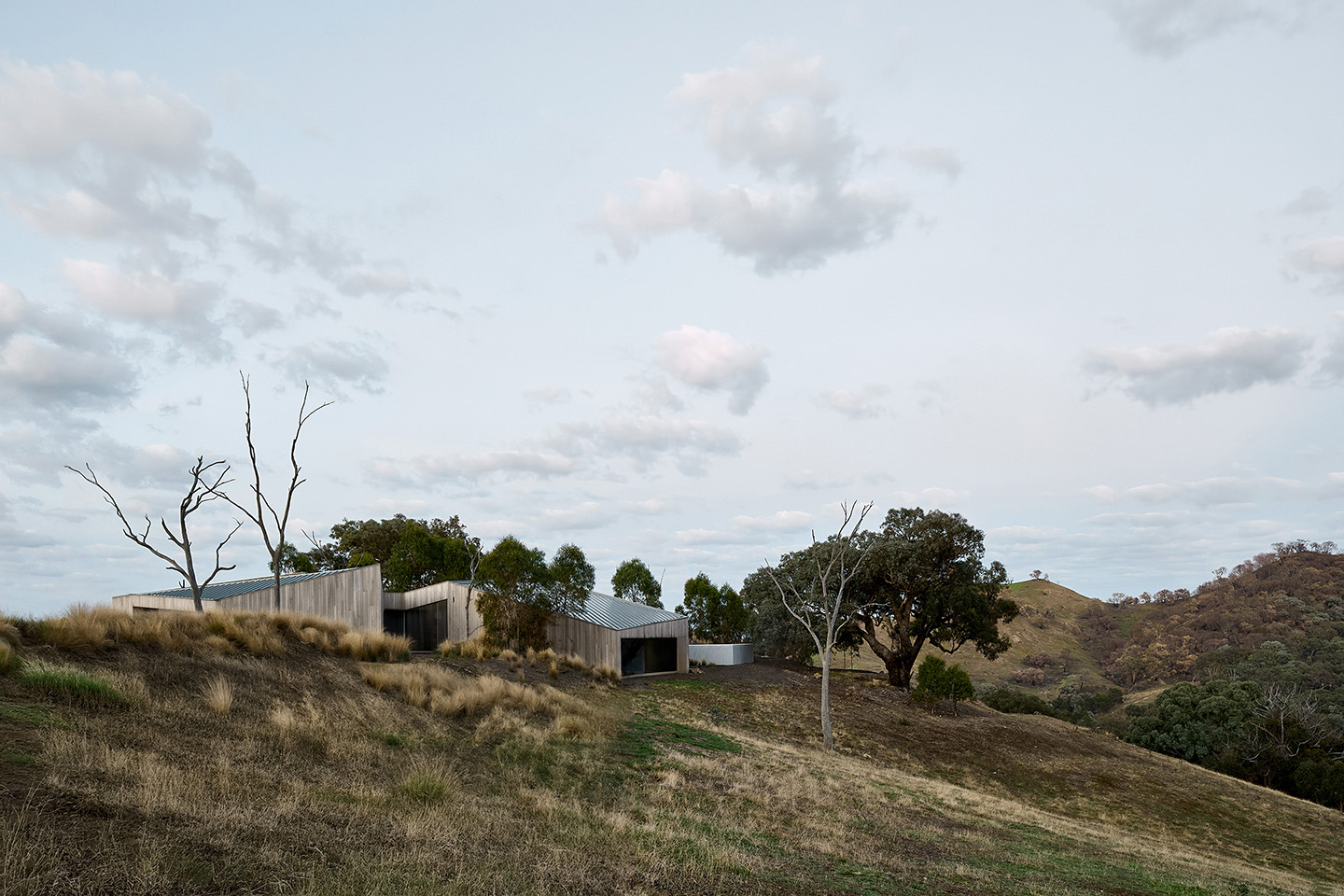
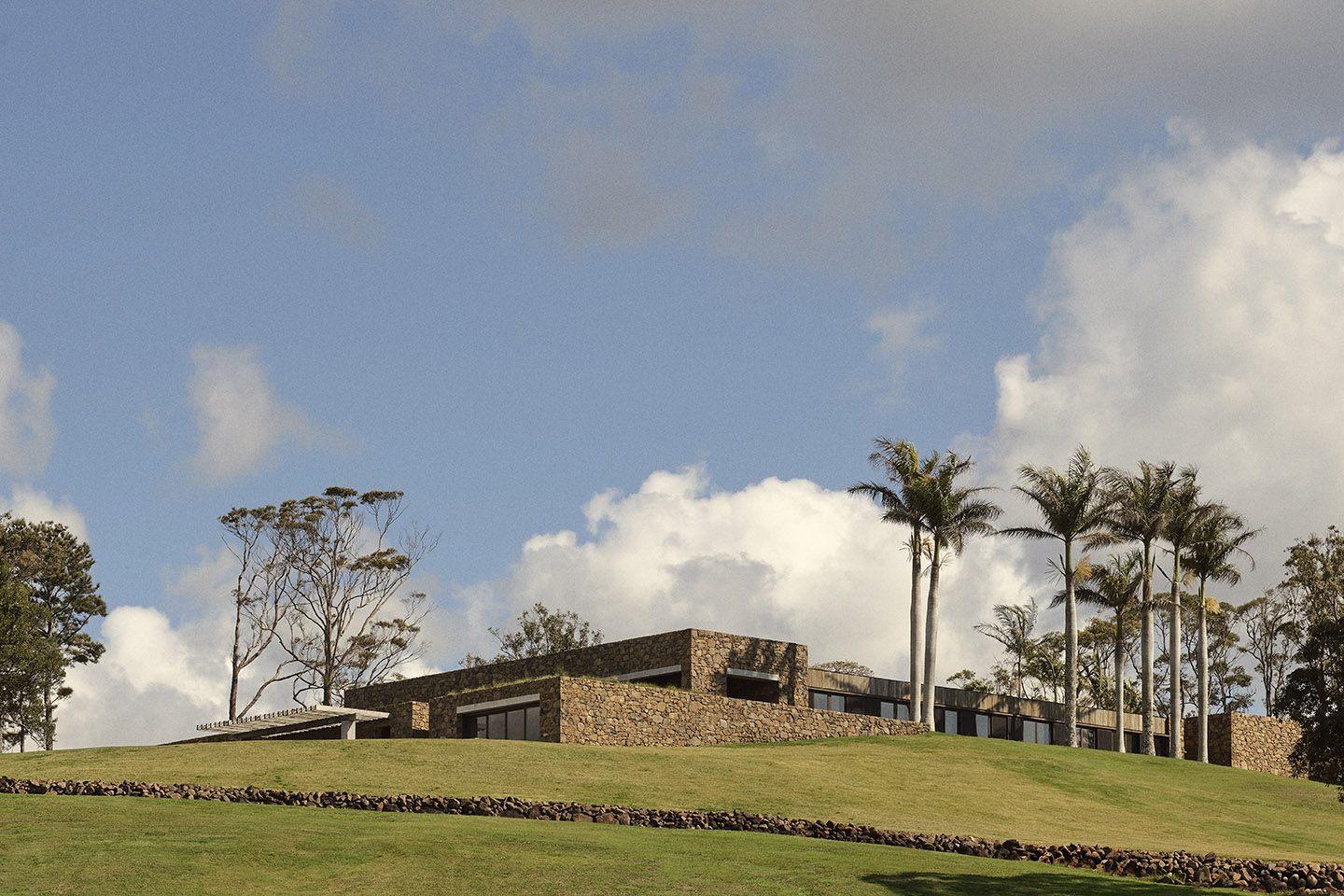
Set within very different landscapes, each of these projects takes a position on, well, the question of position. Should architecture defer to topography and work with the natural contours or impose a strong geometry? Should it maximise views or restrict and curate them? Should it prioritise shelter and intimacy or exposure and vastness?
So, the 2026 Winnings x Habitus House of the Year features a particularly rich, intriguing opposition. With winners announced on Friday 27th November, we’ll be able to see where the jury’s praise landed in the end.